


Annotation services / 01—04

Bring structure to the data your model depends on.

VIPRO runs four managed annotation services — image, video, text, and audio — each with its own geometry, timing rules, and review bar. The shared habit is the same: lock the decision, then scale the labels.

Compatible workflows

Tools we can work with

  • CVAT logo
  • Labelbox logo
  • Roboflow logoRoboflow
  • Label Studio logo
  • Encord logo
  • Scale AI logo
  • SuperAnnotate logoSuperAnnotate
  • Darkhorse

Find your data type

Four services, four different failure modes

Each card below is a doorway, not the whole argument. The longer reading for that modality lives on the service page — including the techniques, the quality checks, and the questions that belong only there.

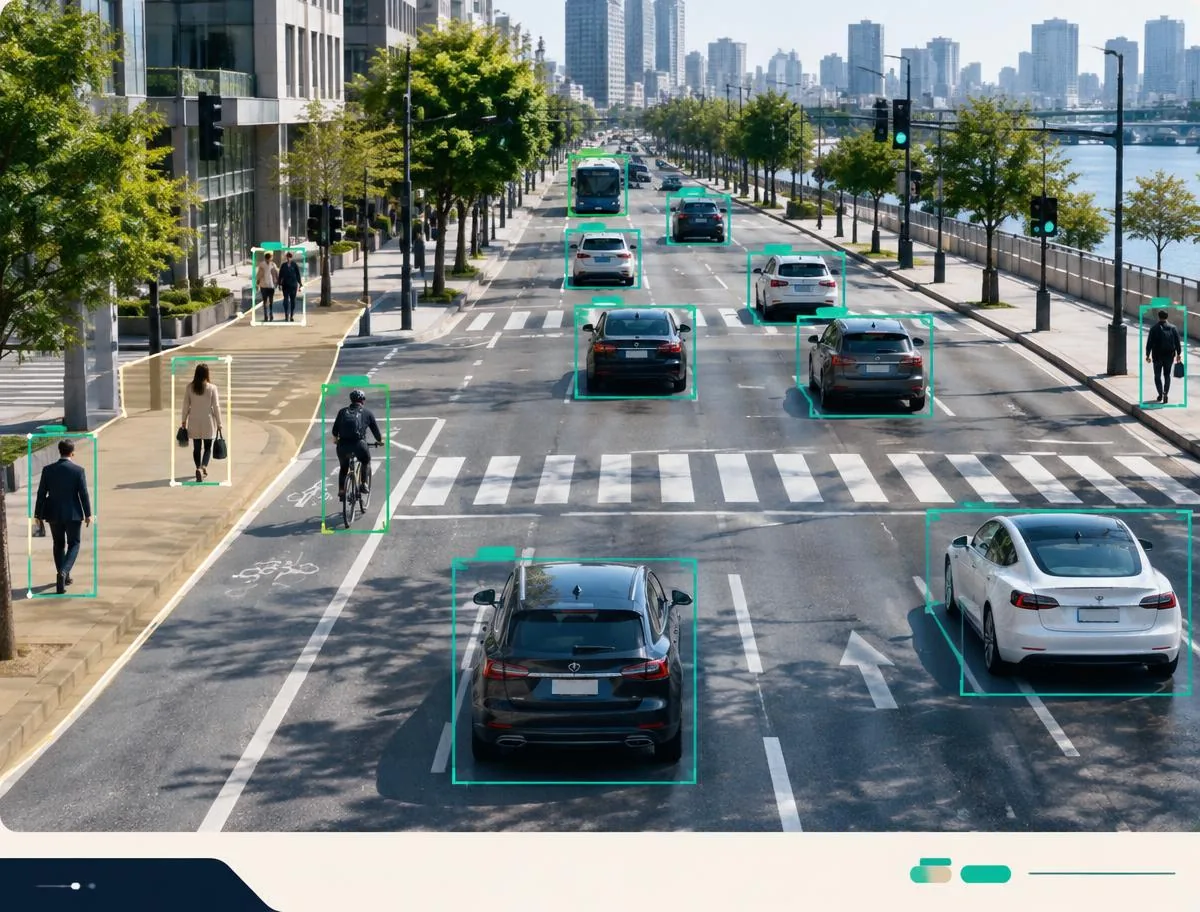
Image Annotation dataset with visible annotation overlays01 — Bounding boxes

Image Annotation

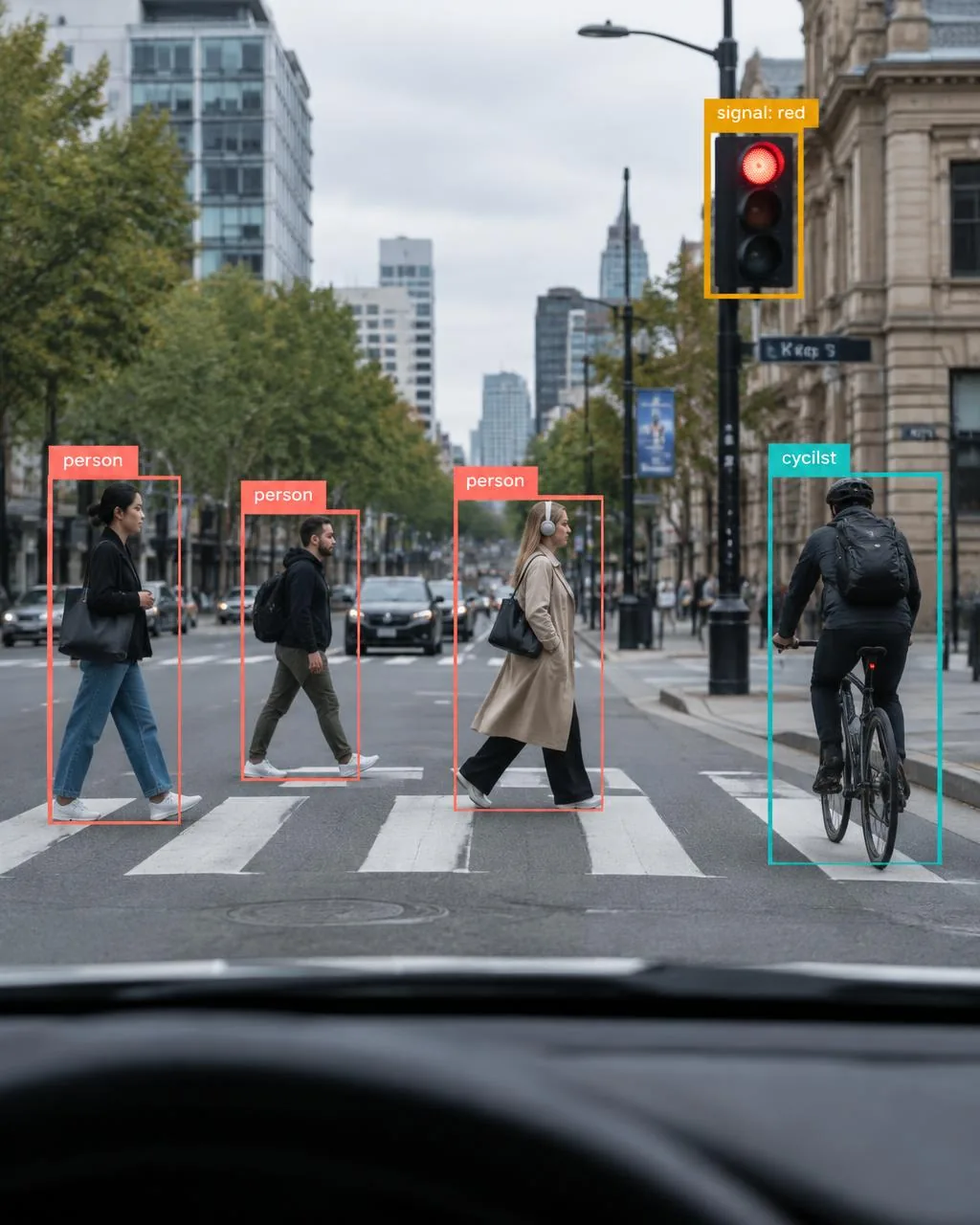
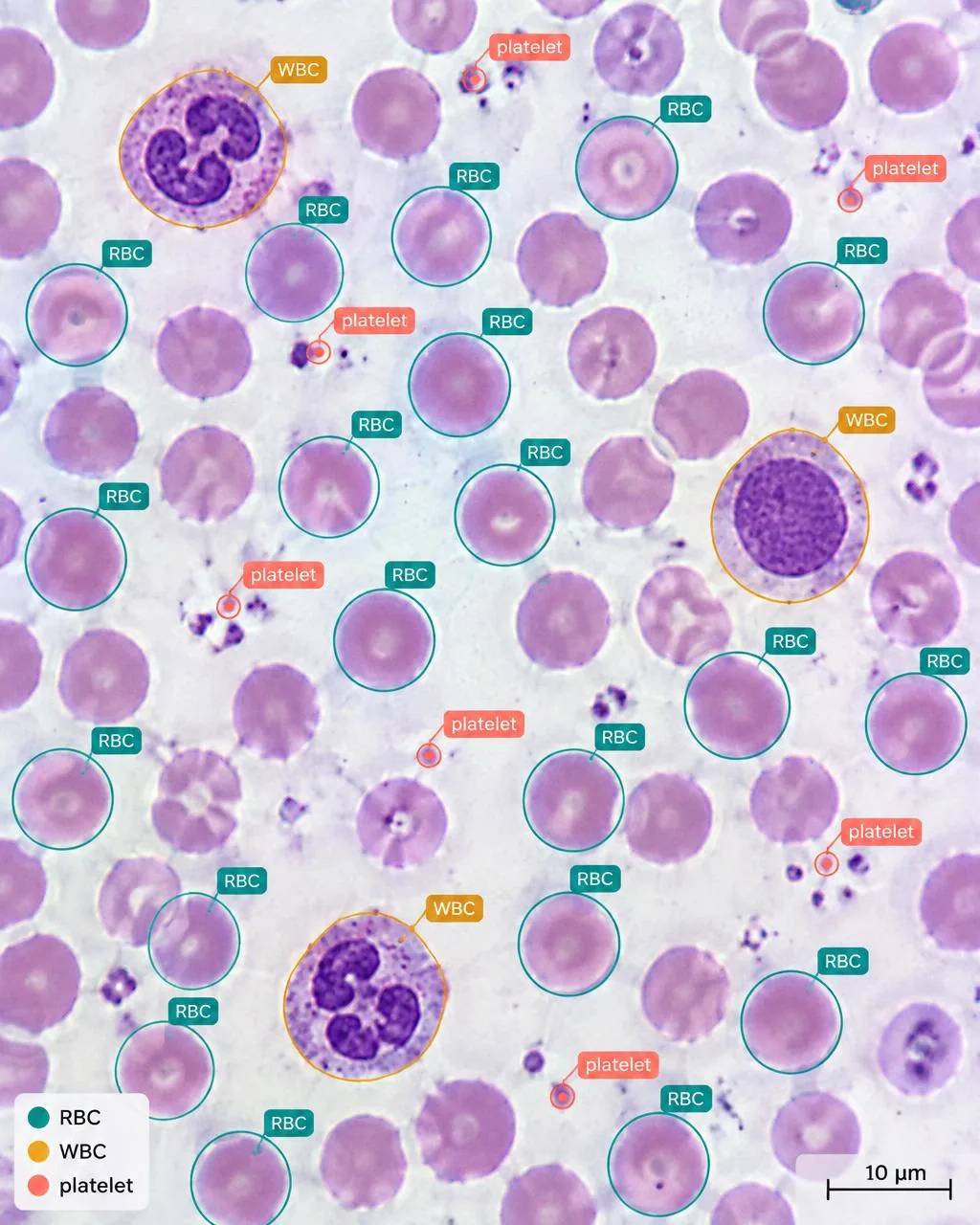
A box is enough when location matters more than silhouette. A polygon or mask is required when the model must follow an irregular edge. We write inclusion and occlusion rules before the first batch.

  • Bounding boxes
  • Polygons
  • Segmentation
  • Keypoints & OCR
Read the image annotation brief
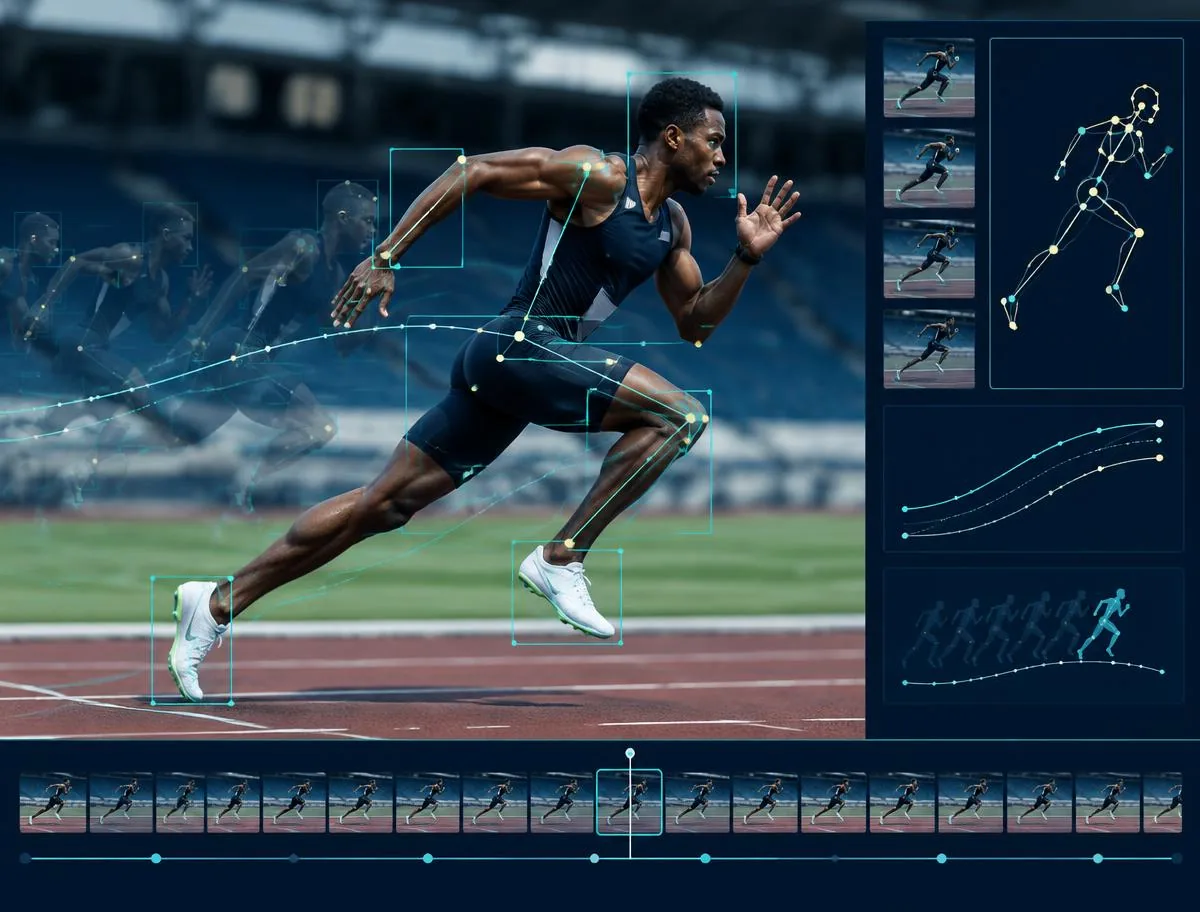
Video Annotation dataset with visible annotation overlays02 — Object tracking

Video Annotation

Video is not a pile of images. The useful signal is continuity: the same person after a pillar, the same vehicle after a cut, and the moment an action starts and ends.

  • Object tracking
  • Frame-by-frame labels
  • Action & event labels
  • Temporal segmentation
Read the video annotation brief
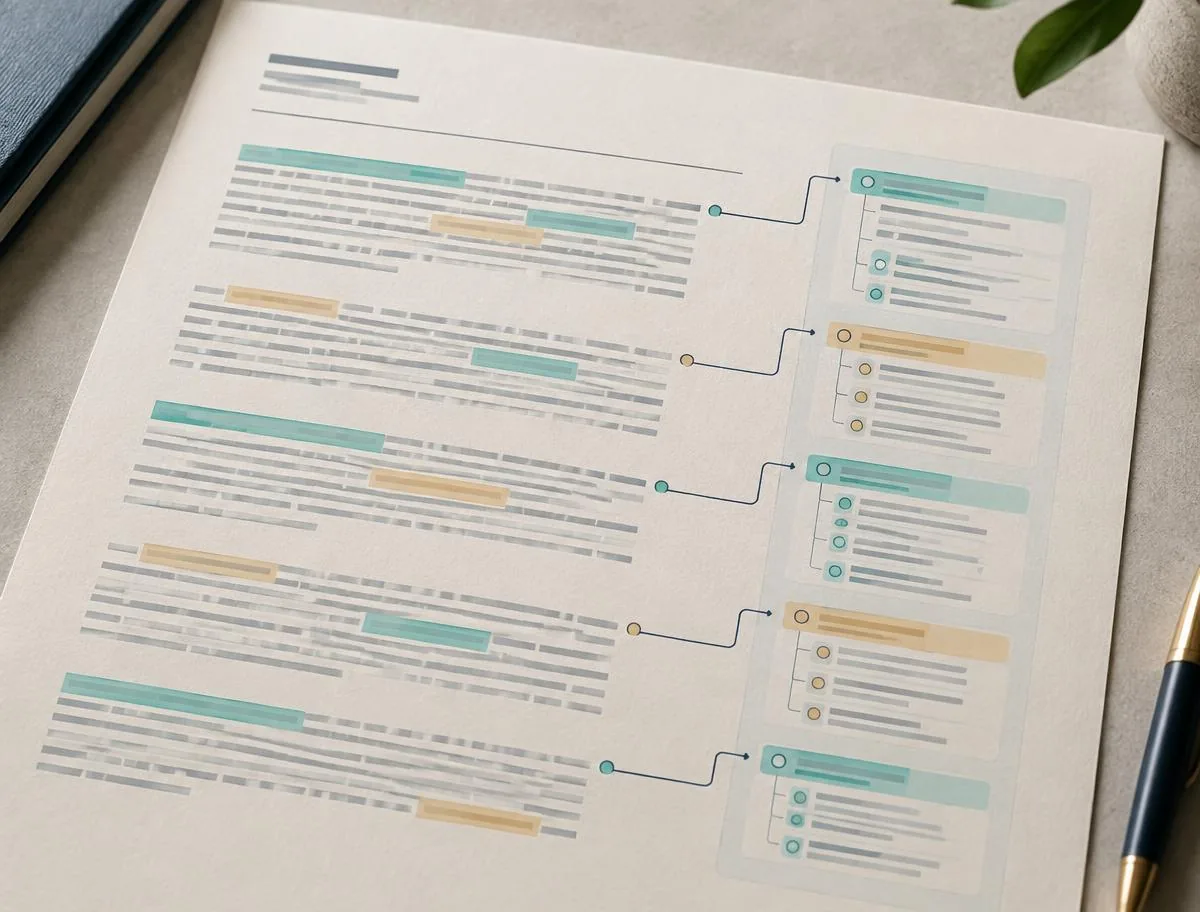
Text Annotation dataset with visible annotation overlays03 — Named entities

Text Annotation

Language labels fail when they flatten a page into a string. Headers, stamps, and tables change what a number means, so we keep the source document in view.

  • Named entities
  • Intent classification
  • Sentiment & tone
  • Taxonomy & relevance
Read the text annotation brief
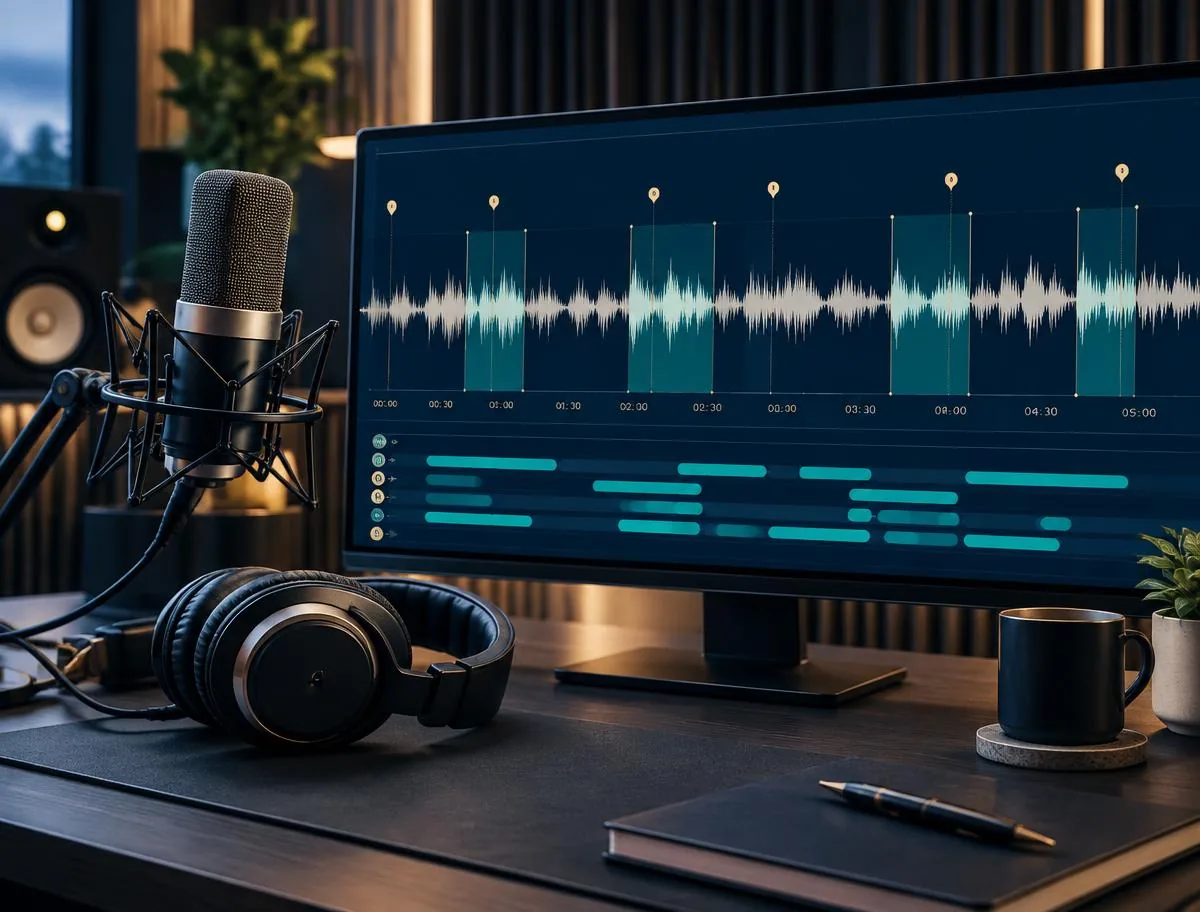
Audio Annotation dataset with visible annotation overlays04 — Transcription

Audio Annotation

A transcript without times is a summary. Audio work ties words, speakers, and events to ranges on the recording, with written rules for overlap and noise.

  • Transcription
  • Speaker diarization
  • Intent & topic
  • Timestamped events
Read the audio annotation brief

Specialist service: egocentric video annotation for physical AI

Specialist service: LiDAR & 3D point cloud annotation

Comparison

Why AI Teams Choose VIPRO

Stated VIPRO policies and quality targets, set beside general descriptions of other common annotation models.

How VIPRO managed calibration pods compare with crowdsourced platforms and traditional data-entry BPOs
CriterionVIPRO Managed Calibration PodsCrowdsourced Platforms (MTurk/Generic)Traditional Data-Entry BPOs
Mandatory pilot calibration before scaleYesA free calibration pilot on your data before any volume work.Not typicalUsually not required.Not typicalUsually not required.
Post-calibration precisionYesTargets 98.5% or higher inter-annotator agreement (a measured target).VariesVaries by task and worker.VariesVaries, often sampled spot checks.
Edge-case rubric iteration speedYesRubric updates are versioned and re-calibrated with the pod quickly.Not typicalSlow. Instructions are hard to push to a changing crowd.Not typicalSlow. Change requests go through account management.
Annotator turnoverYesDedicated pods with a zero-turnover policy.Not typicalAnonymous and rotating workers.Not typicalHigh attrition is common.
Native toolingYesWorks natively in CVAT, Roboflow, SuperAnnotate and Labelbox.VariesGeneric task interfaces.VariesSpreadsheets or proprietary tools.
SecurityYesStrict NDA and role-based access.Not typicalOpen worker pool, limited control.VariesStandard office policies, varies.

How to choose

Pick the service that matches the decision, not the file extension.

Teams often send us a folder and ask us to 'label it'. The useful question is what the model must do after training. That answer chooses the modality and the technique.

If the model must…Start hereWhat we settle first
The model must find or outline things in a stillImage annotationBoxes, polygons, masks, keypoints, or scene classes — chosen by how much shape the task needs.
The model must follow something, or notice when it happensVideo annotationTracks, actions, and temporal segments. Frame-level labels only when time is not the point.
The model must read, classify, or extract languageText annotationEntities, intent, fields, and document structure. Layout stays attached when it changes meaning.
The model must hear, transcribe, or locate a soundAudio annotationTimestamps, speakers, events, and file-level classes. Overlap and uncertainty are first-class rules.
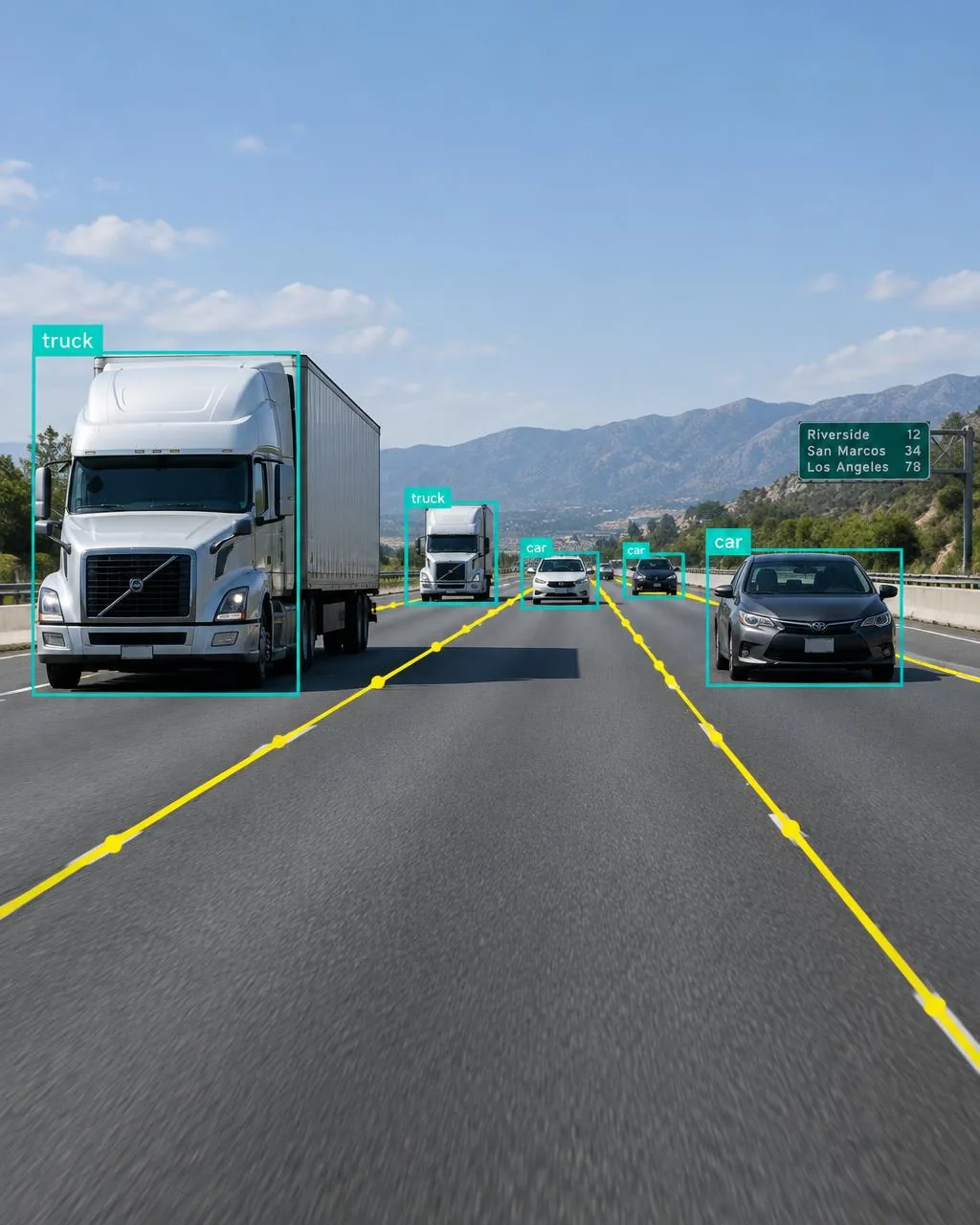
Automotive annotation scene
Automotive annotation sample

01 / 10

Automotive

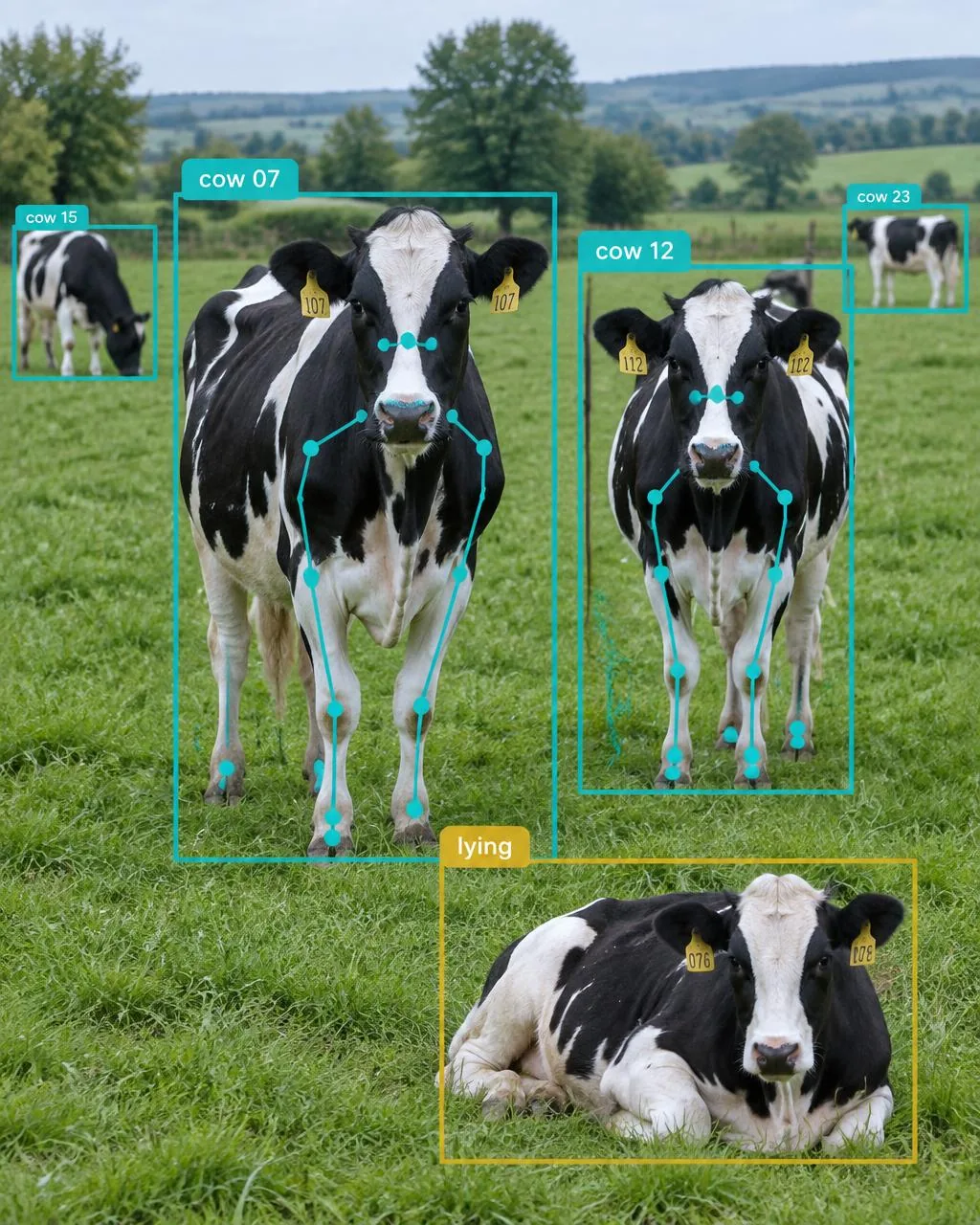
Road scenes need labels that stay consistent when vehicles, people, and lanes overlap, disappear, and reappear.

Data · Image · VideoLabels · Boxes, lanes, tracks

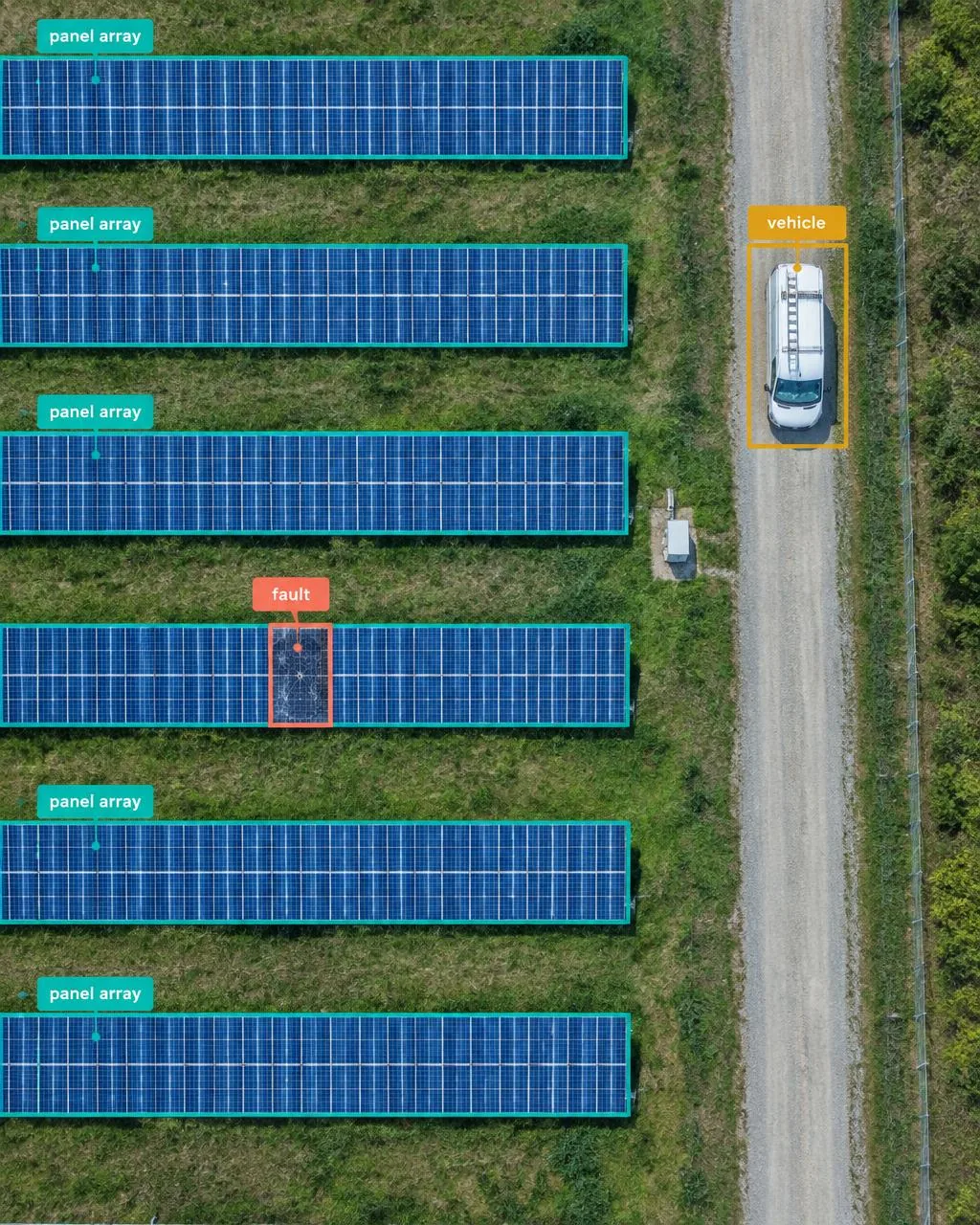
Aerial annotation scene
Aerial annotation sample

02 / 10

Aerial

Overhead and satellite views train models to recognize objects in environments that change with altitude, light, and season.

Data · Image · VideoLabels · Regions, objects, change

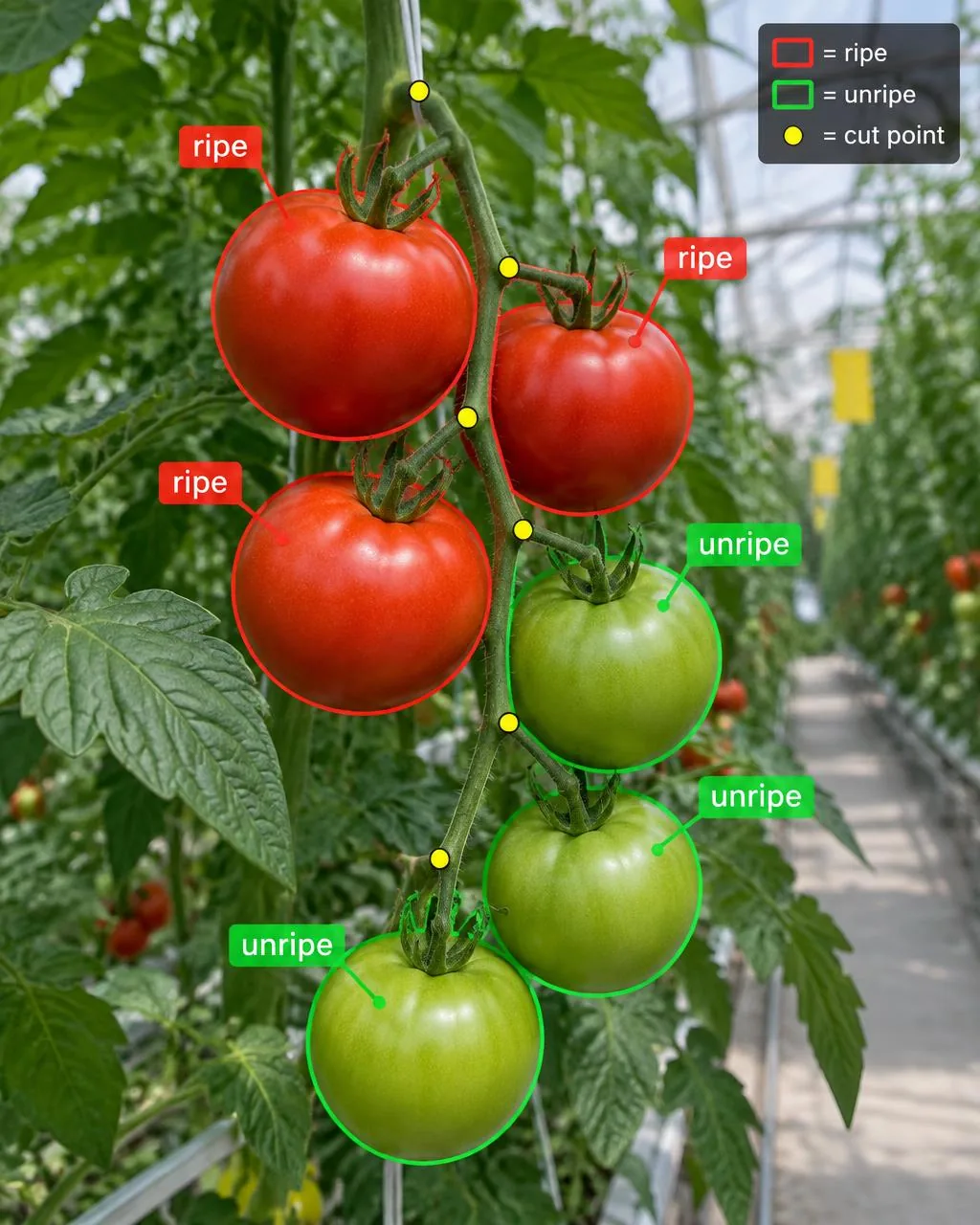
Agriculture annotation scene
Agriculture annotation sample

03 / 10

Agriculture

Field imagery is labeled so a model can tell crop, soil, growth stage, and damage apart across a changing season.

Data · Image · VideoLabels · Masks, classes, keypoints

Documents annotation scene
Documents annotation sample

04 / 10

Documents

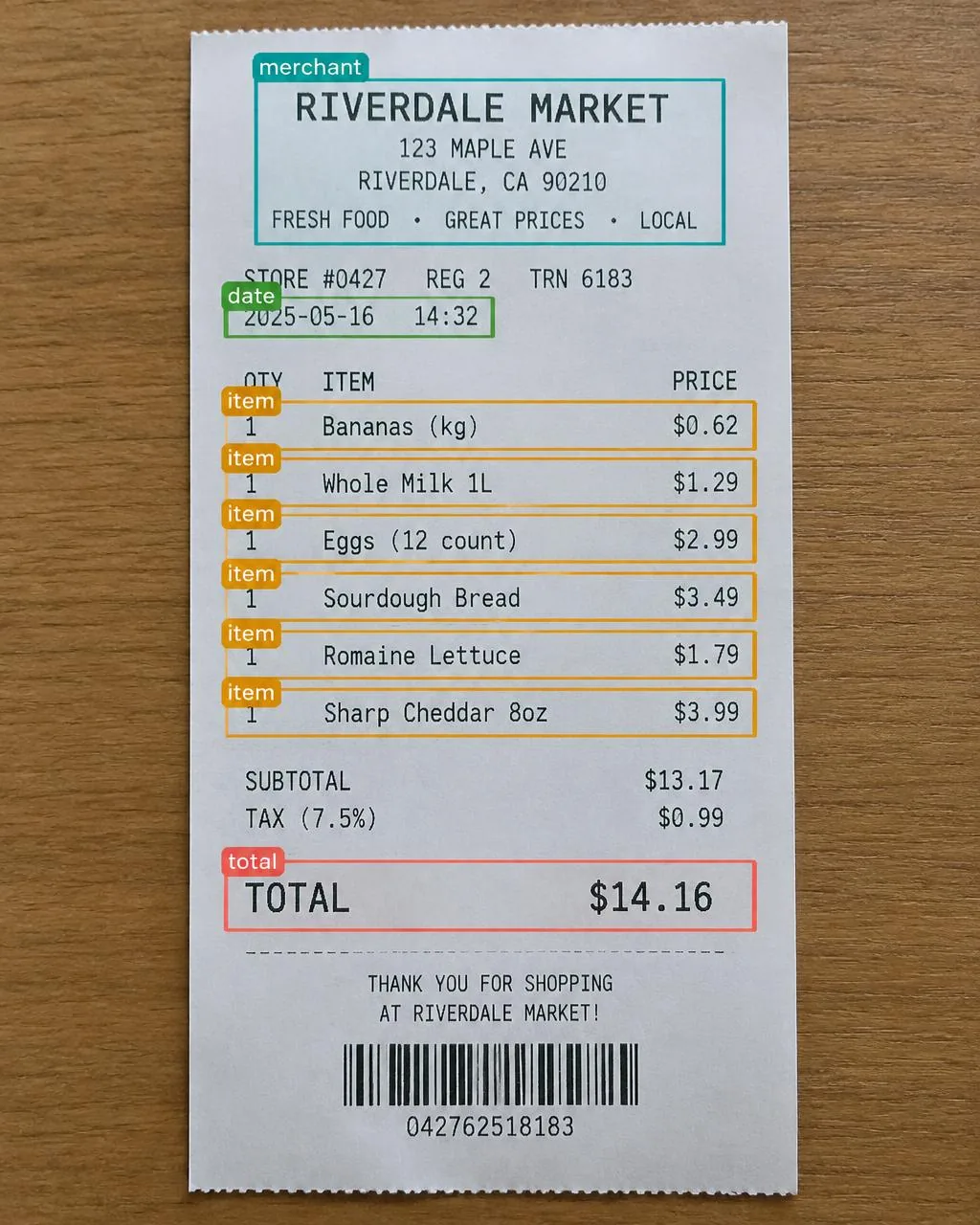
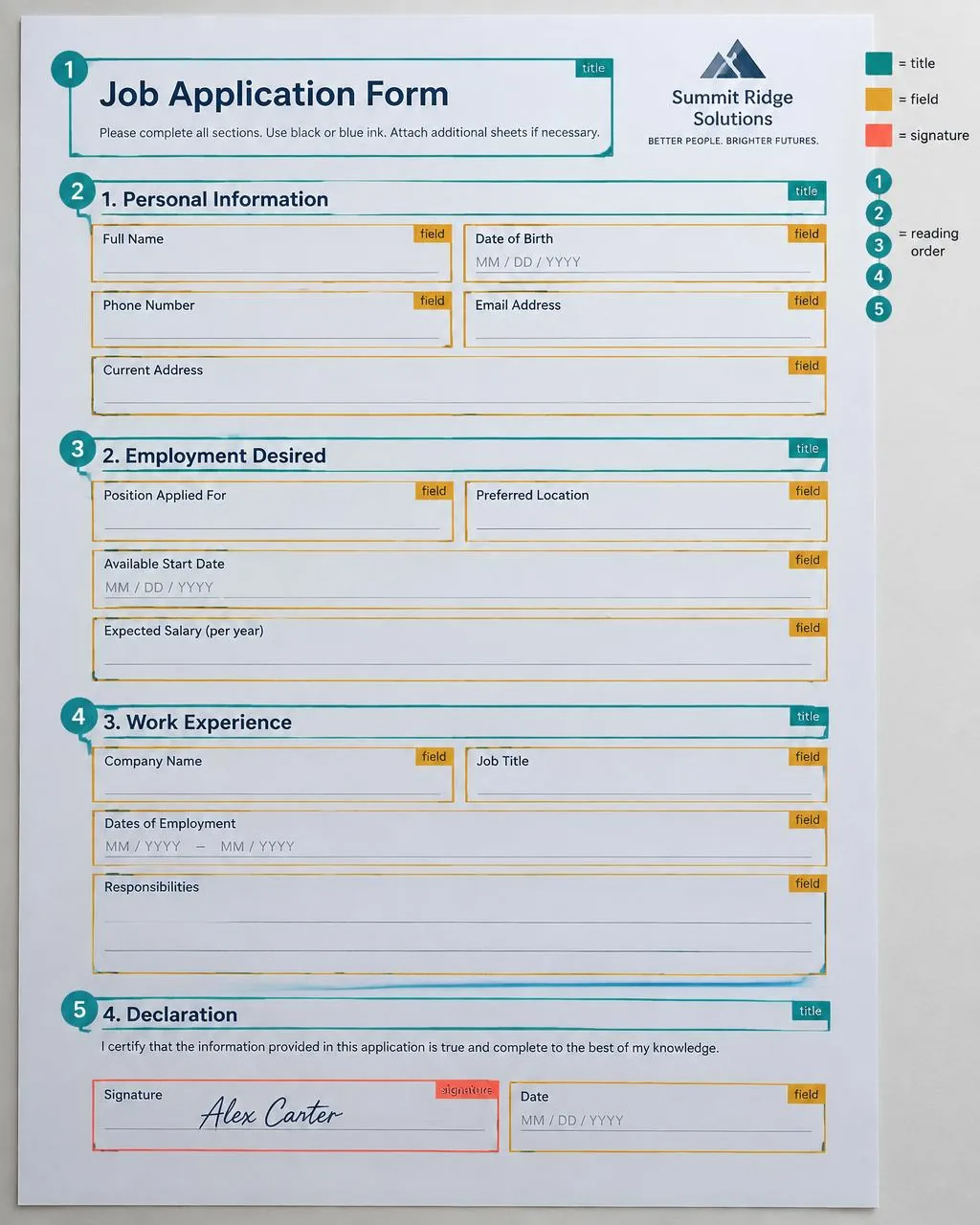
Pages are marked so fields, tables, and reading order survive the move from paper into structured data.

Data · Image · TextLabels · Fields, entities, layout

Manufacturing annotation scene
Manufacturing annotation sample

05 / 10

Manufacturing

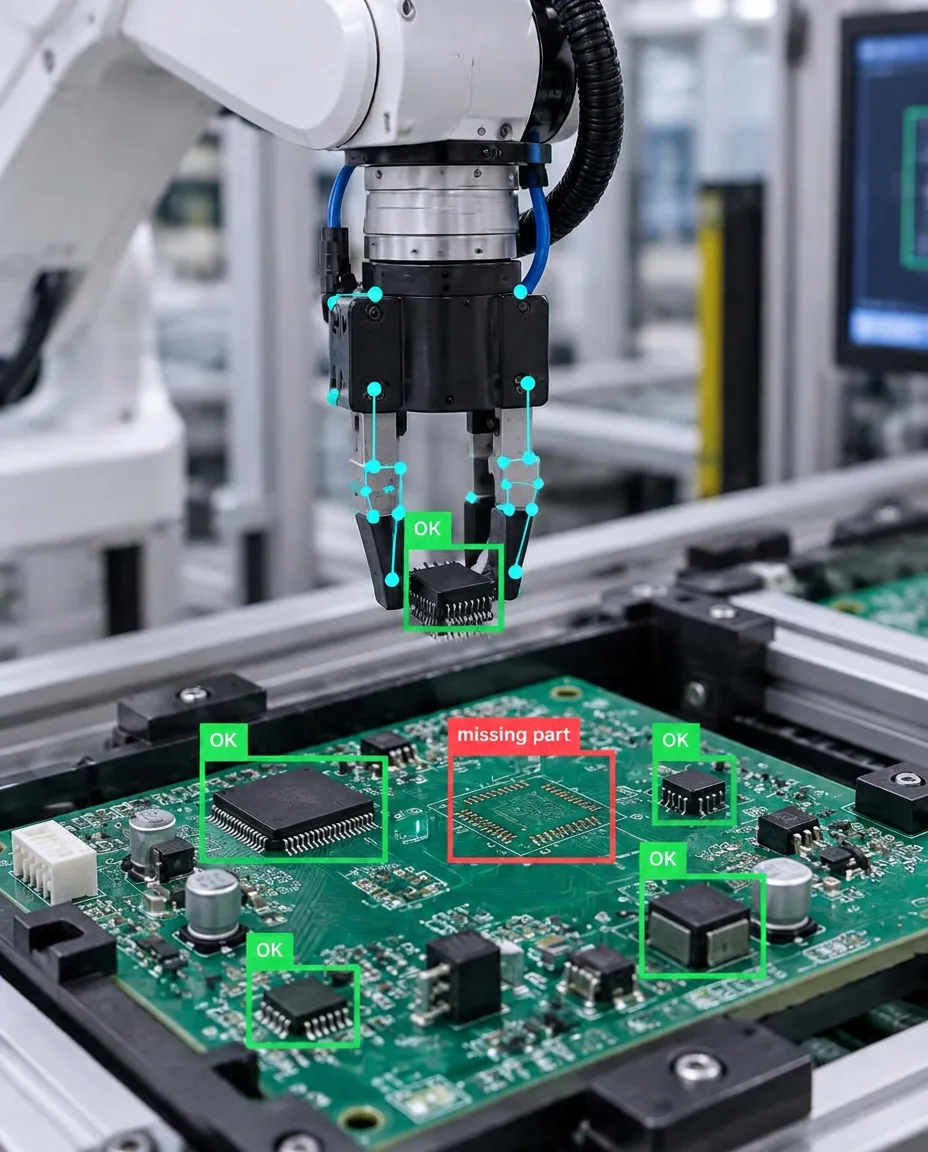
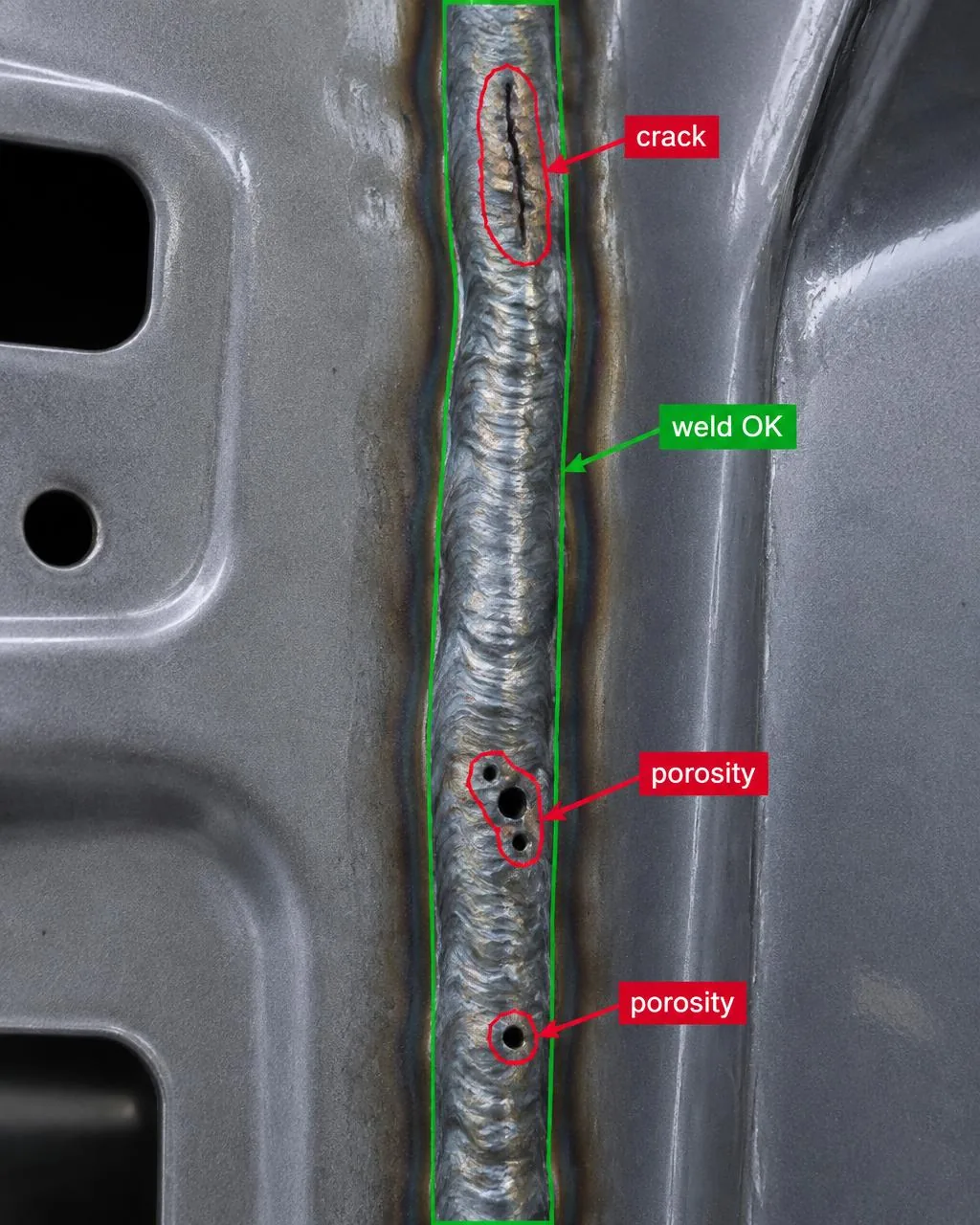
Production images are labeled tightly enough to separate a good part, a defect, and the step where the fault appears.

Data · Image · VideoLabels · Defects, parts, events

Medical annotation scene
Medical annotation sample

06 / 10

Medical

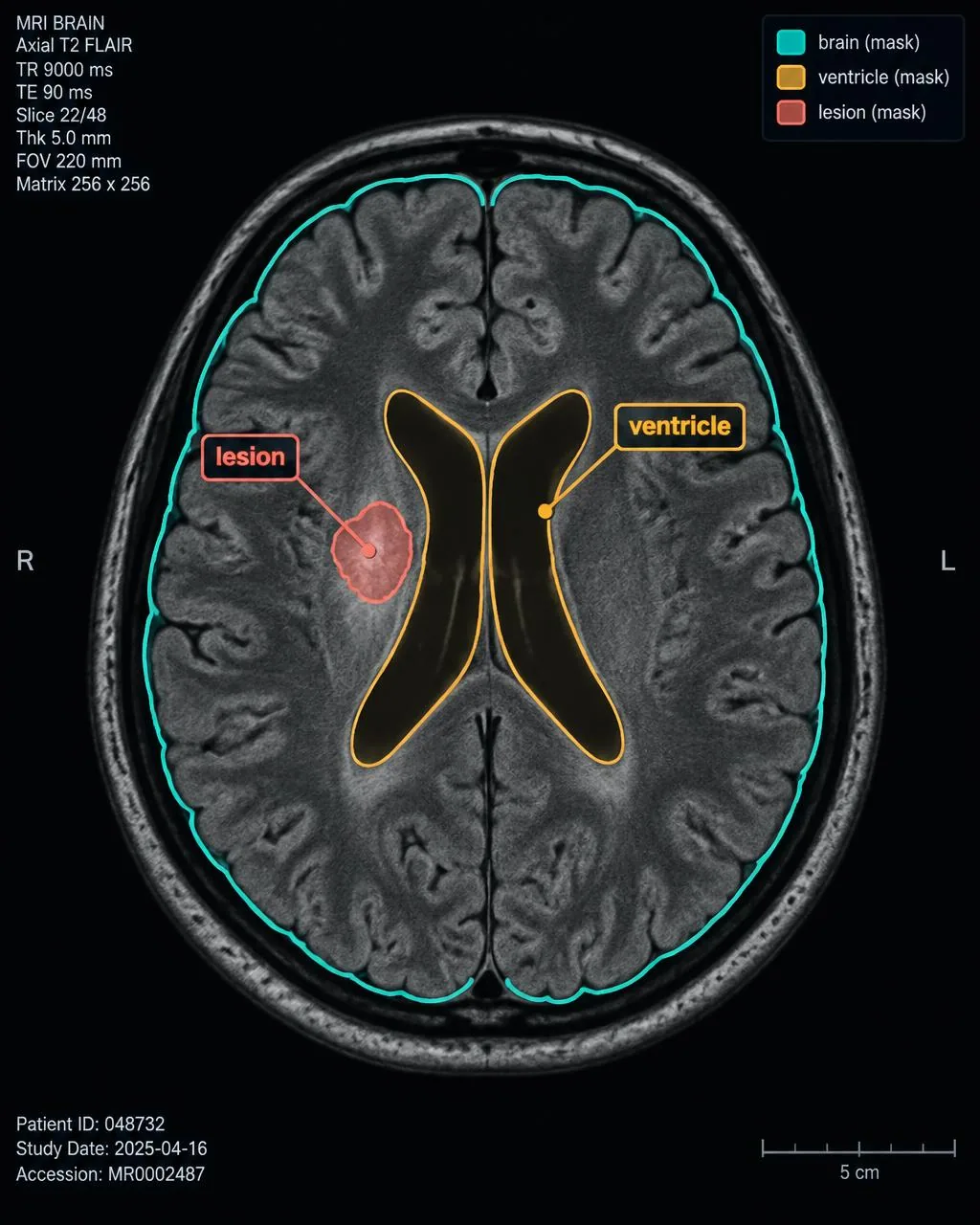
Approved clinical images and documents are labeled so anatomy, findings, and fields stay tied to the source.

Data · Image · TextLabels · Regions, entities, classes

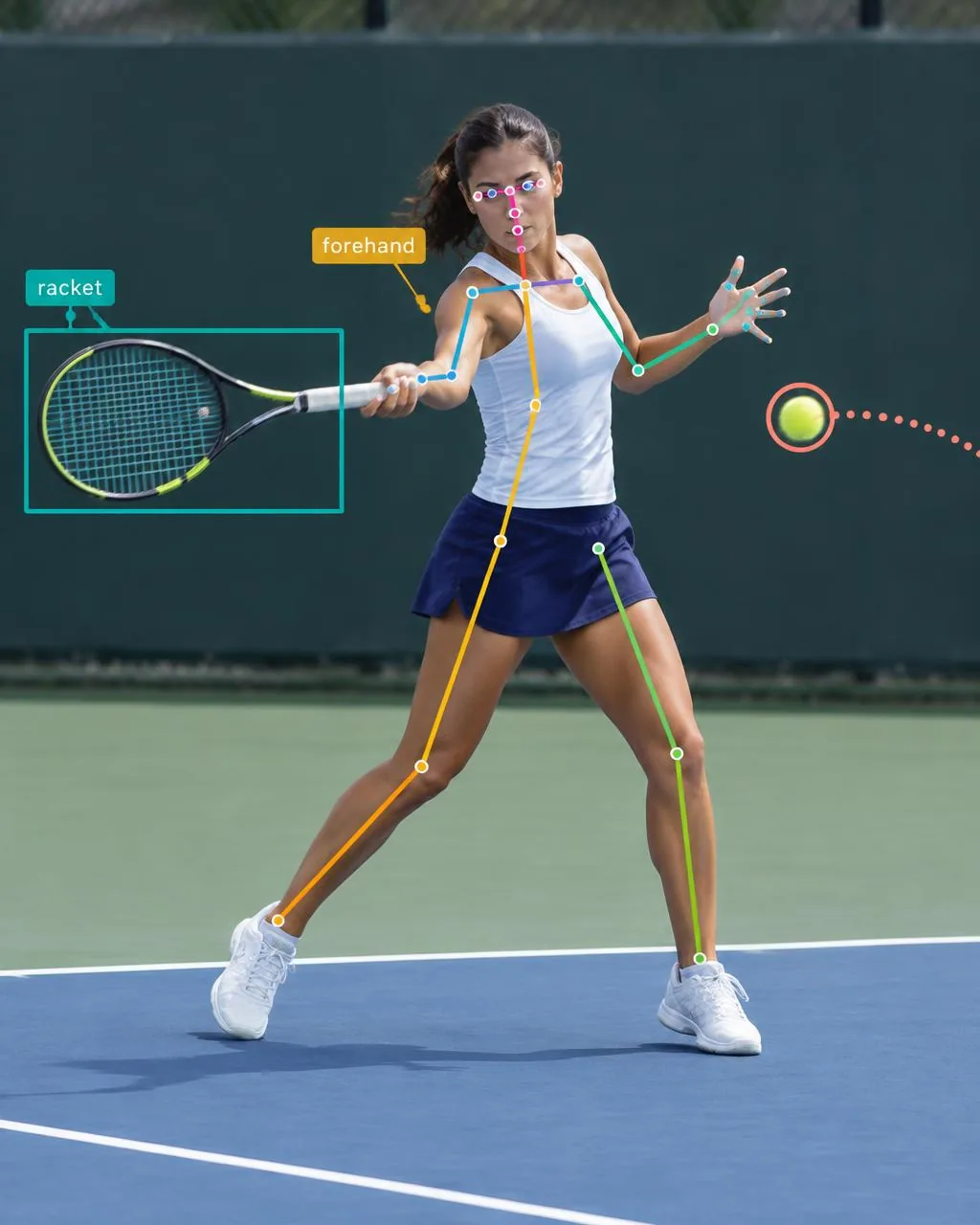
Sport annotation scene
Sport annotation sample

07 / 10

Sport

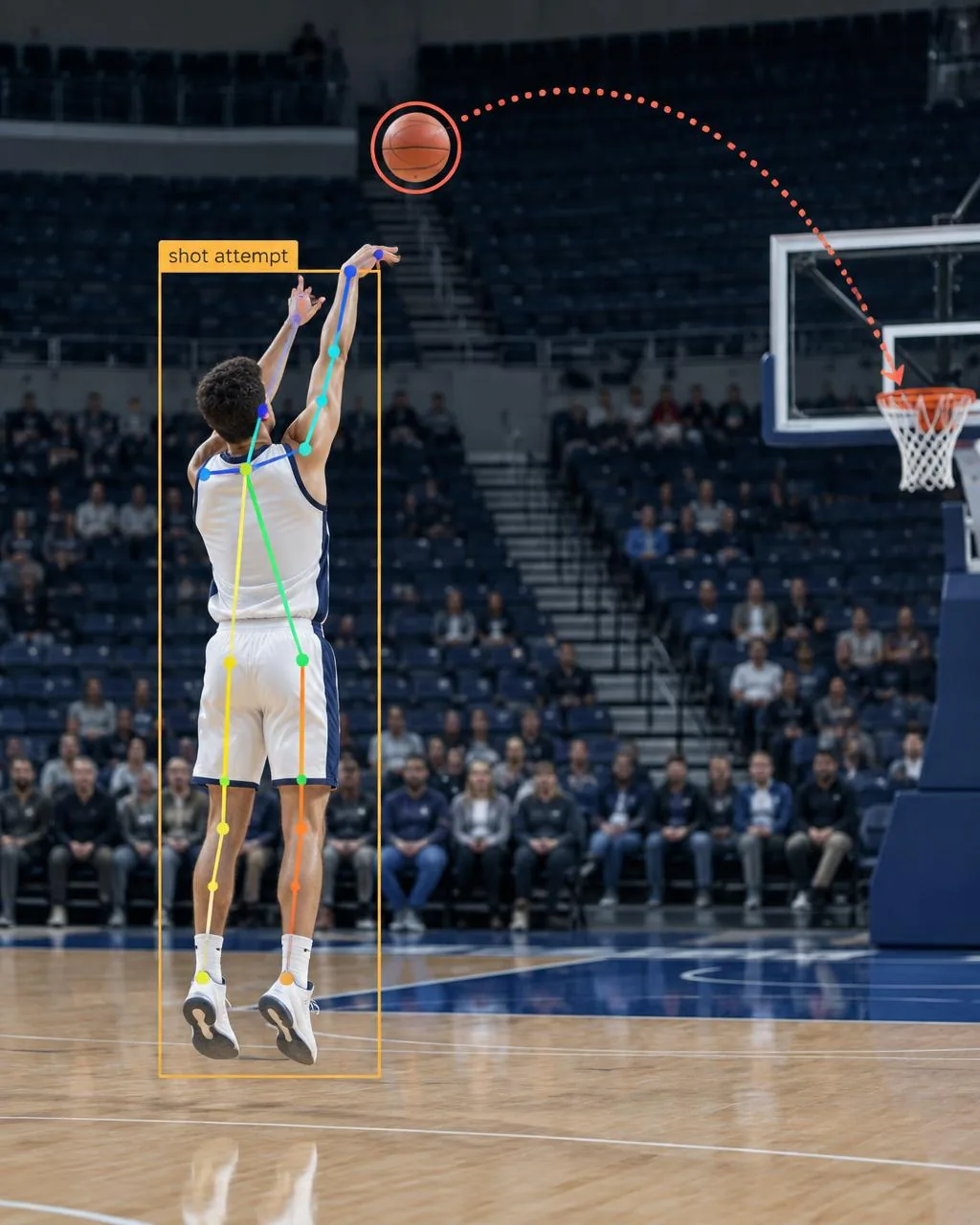
Match footage is labeled so players, the ball, and the action stay connected from one frame to the next.

Data · VideoLabels · Tracks, poses, events

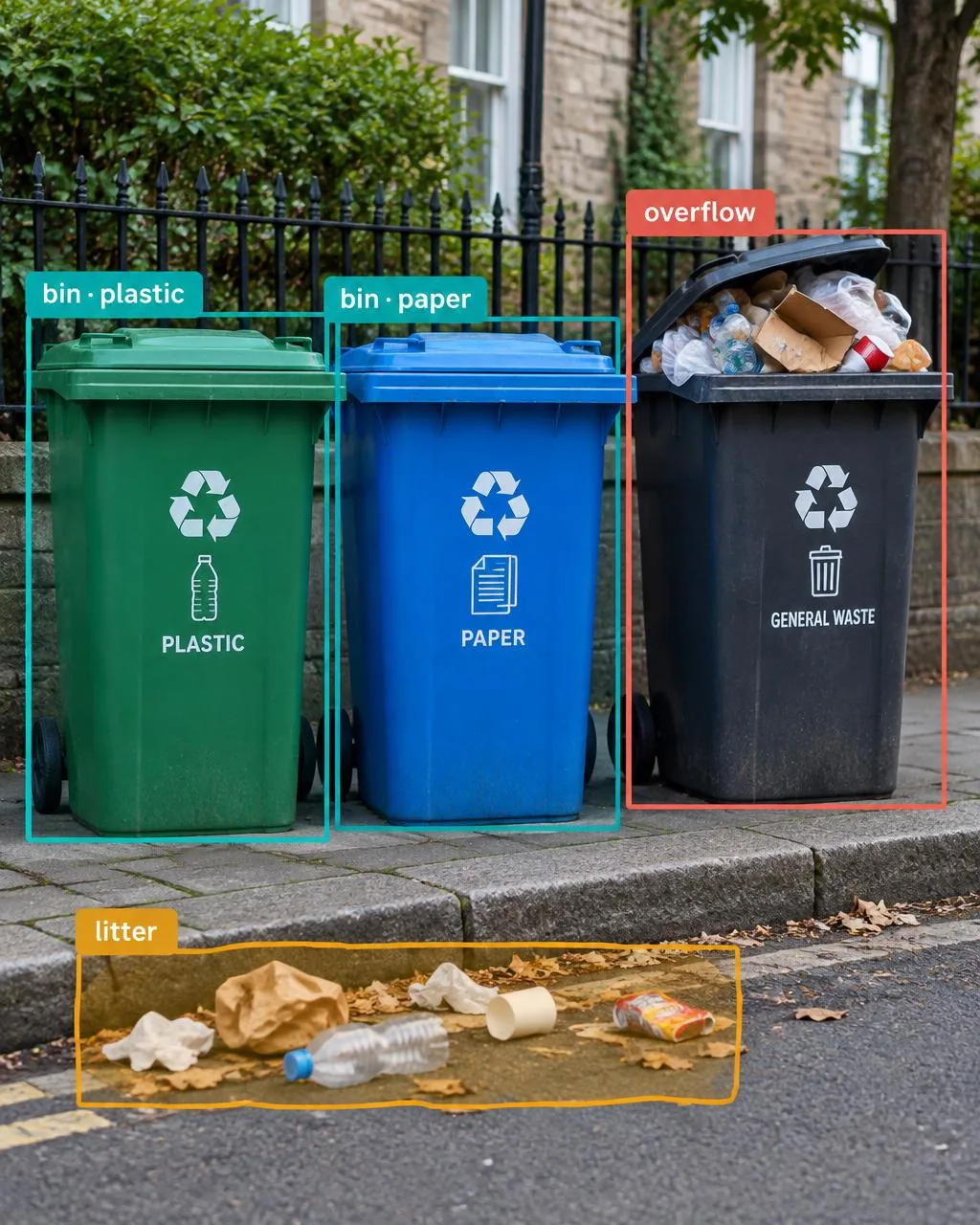
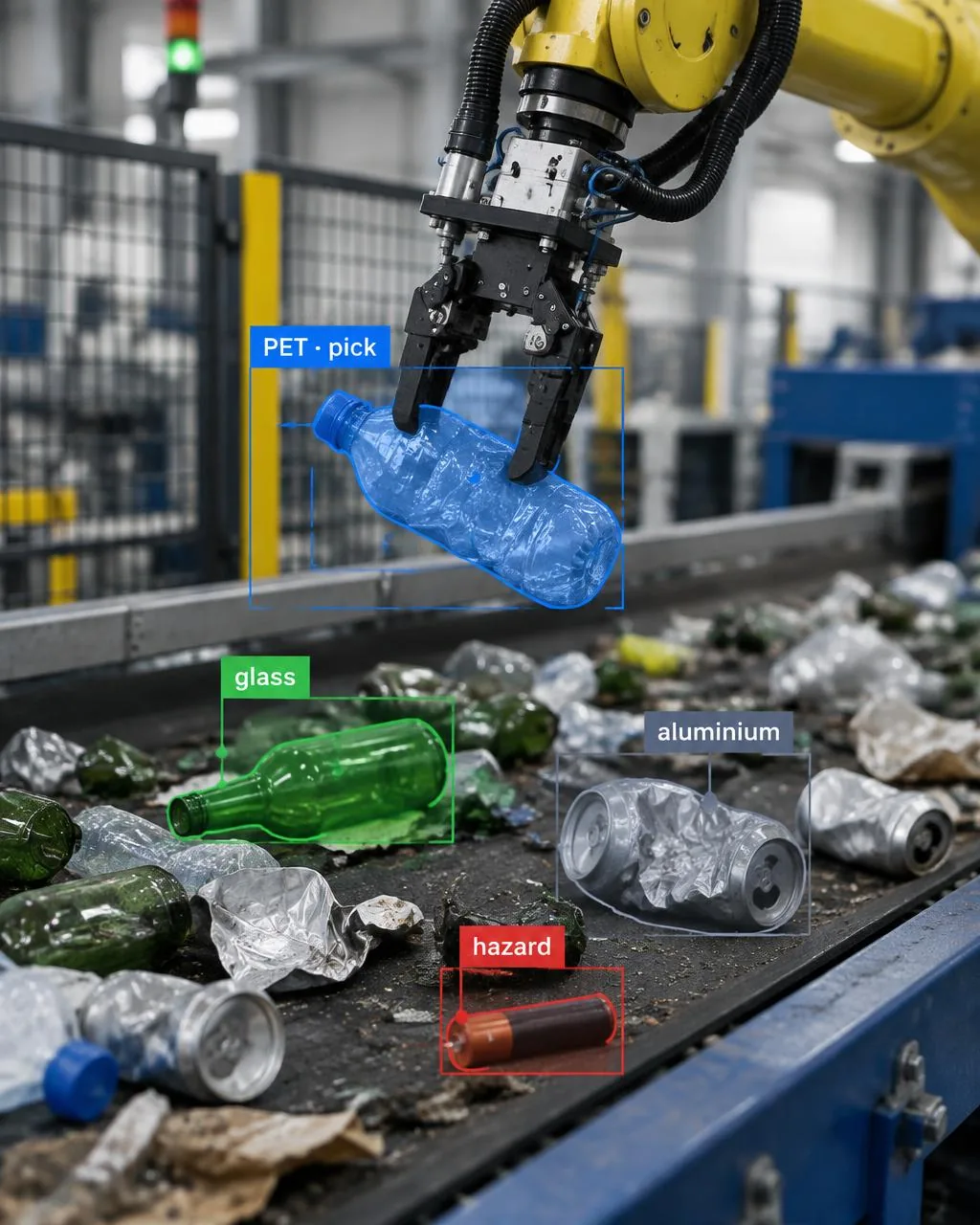
Waste management annotation scene
Waste management annotation sample

08 / 10

Waste management

Sorting scenes are labeled so materials, bins, and contamination can be separated before a model acts on them.

Data · Image · VideoLabels · Classes, masks, objects

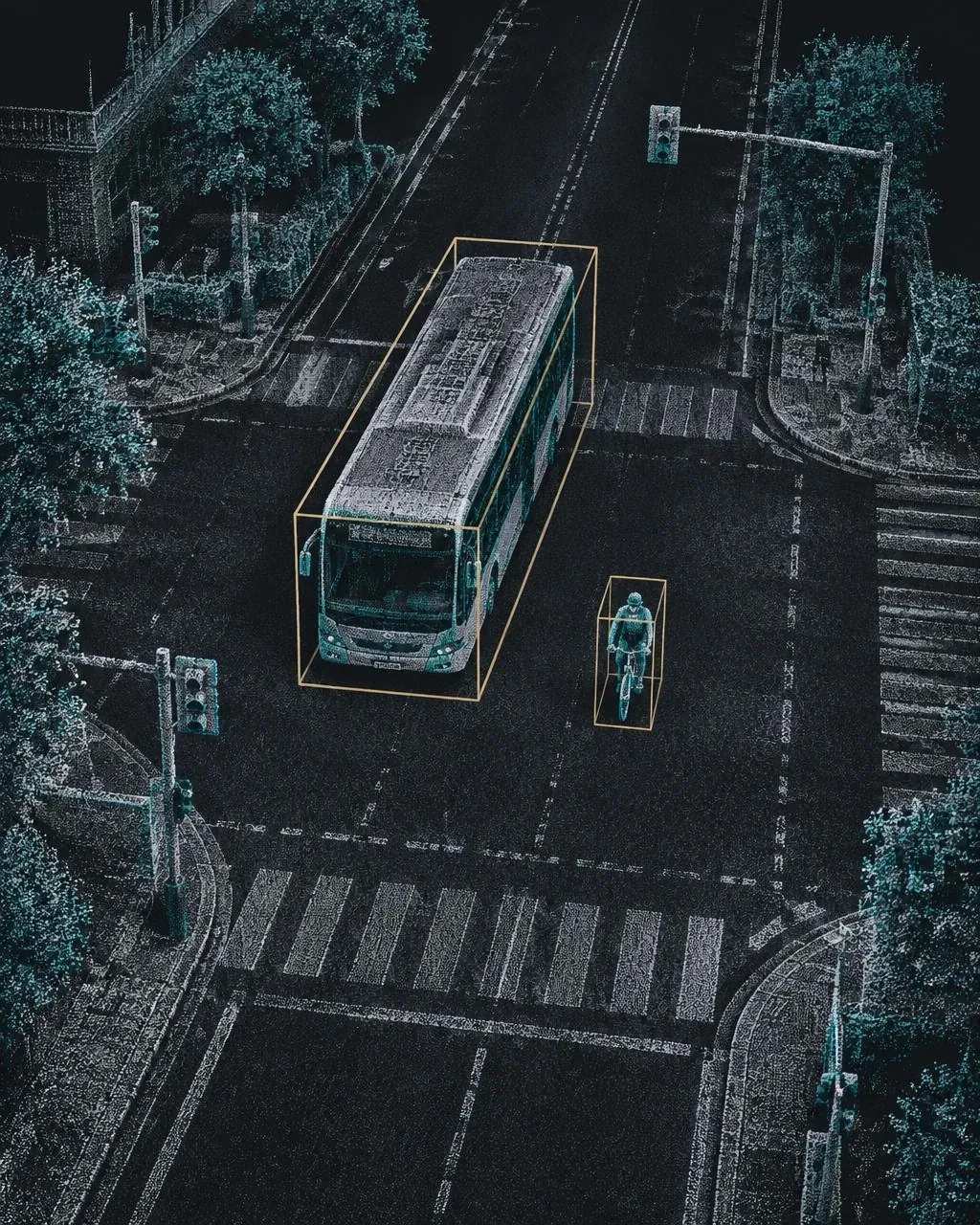
LiDAR & 3D Annotation annotation scene
LiDAR & 3D Annotation annotation sample

09 / 10

LiDAR & 3D Annotation

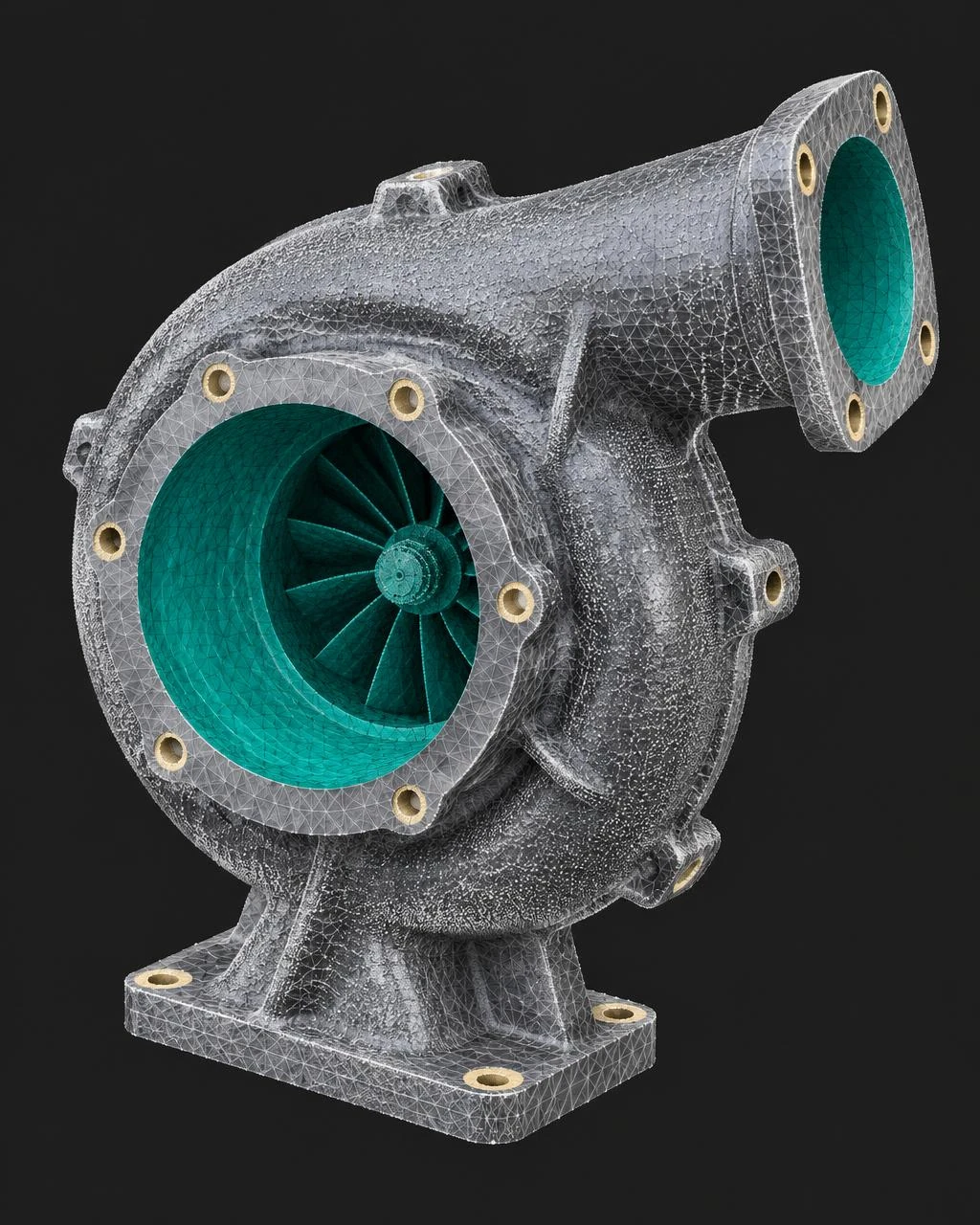
Spatial datasets need labels that follow the actual geometry of a scene, from sparse LiDAR returns to detailed surface scans.

Data · Point cloud · 3D meshLabels · 3D cuboids, segmentation, landmarks

Egocentric Video annotation scene
Egocentric Video annotation sample

10 / 10

Egocentric Video

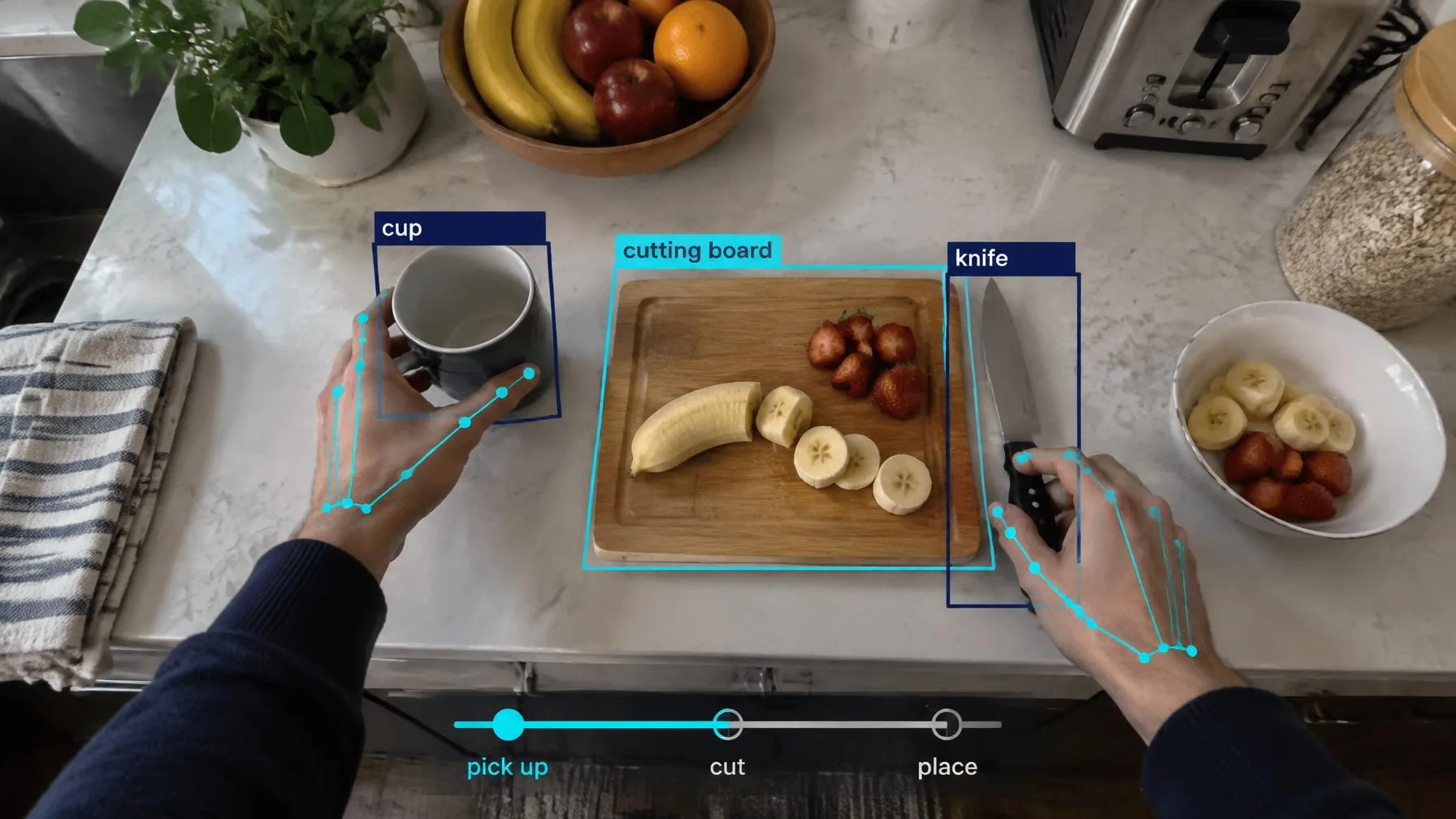
First-person footage is labeled so hands, the objects they touch, and each step of an activity stay connected as the camera moves with the wearer.

Data · Video · ImageLabels · Hand keypoints, objects, actions

What you receive

A dataset you can open, not a black box of clicks.

A written guide version

The ontology, examples, and exception rules that the batch actually followed — dated, so later work does not silently drift.

Labels in your schema

COCO-style detections, masks, track files, span offsets, or time-coded transcripts. We confirm the export before production, not after.

A review trail

Which items were escalated, what changed, and which cases remain flagged. Useful when a metric moves and someone asks why.

A calibration record

The sample that locked the guide. Keep it. It is the cheapest way to onboard a new reviewer or to test a guide change later.

FAQ

Questions that belong on this page, not copied onto every service

These answers cover how VIPRO scopes work across modalities. Image, video, text, and audio pages each carry a different set of questions about geometry, time, language, and sound.

An annotation dataset is a collection of raw data, such as images, video, text or audio, paired with the labels that describe what is in it. Machine learning models learn from these labelled examples during training.
Image, video, text, and audio. Scopes are built around a model task — detection, tracking, extraction, transcription — not around a generic 'we label everything' promise. If a file type sits outside those four, we will say so instead of stretching a workflow that does not fit.
A platform stores shapes. A service owns the questions that make those shapes consistent. We write the guide, calibrate people against it, review the hard cases, and package an export that matches the schema you named. You still keep the source data and the decisions.
No. Pre-labels are welcome when they save time on a stable class. We treat them as a draft. A person still accepts, corrects, or rejects them against the guide. Automatic output that never meets a reviewer is not a VIPRO delivery.
Yes, when access and licensing allow. We already work in common annotation platforms and can follow a workflow you already run. If a tool cannot express a rule you need — nested entities, speaker overlap, track interpolation — we say so before the project starts.
We agree transfer, access, retention, and deletion before any file moves. That can be a controlled bucket, a platform project, or another path your security team accepts. We do not invent a side channel to go faster.
A representative slice of the real data, a first guide, labelled output, a list of disagreements, and a recommendation: lock and scale, revise the ontology, or stop because the task is still undefined. A pilot is a decision, not a discount on clicking.
Volume is only one variable. Class rarity, guideline maturity, review depth, and how often the world produces a new edge case all matter more than a headline turnaround. We estimate after we have seen the calibration set.
No. The four services share a discipline and have different failure modes. Image pages talk about boundaries and occlusion. Video pages talk about identity over time. Text pages talk about spans and layout. Audio pages talk about clocks and overlap. If a paragraph could sit on any page unchanged, we rewrite it.

Start a conversation

Not sure which service fits?

Send a sample of the files that will be difficult, and the decision the model has to make. We will tell you which service owns that work, and what a pilot should contain.

Request a Quote