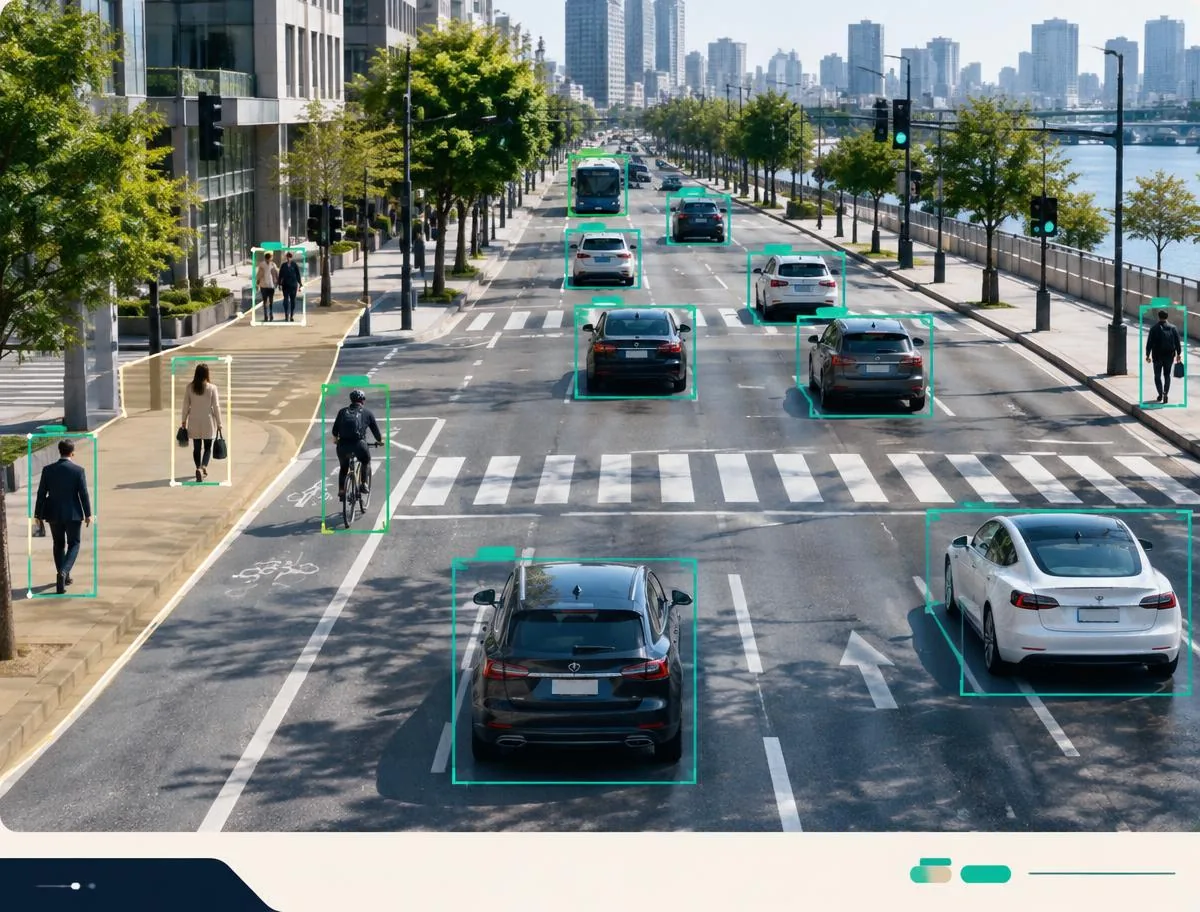
 01 / Image Annotation
01 / 04 · Managed annotation
Make every pixel pull its weight.
Turn visual data into precise, model-ready labels.
Explore Image Annotation
VIPRO turns complex image, video, text, and audio into carefully reviewed data your AI team can use with confidence.
Answer first
VIPRO Annotation is a managed data annotation company that prepares AI training data for computer vision, machine learning and robotics teams. We label images, video, egocentric (first-person) footage, LiDAR and 3D point clouds, text and audio. Every project starts with a calibration pilot on your own data, runs on written labelling rules and passes two-stage QA: an annotator self-check, then an independent reviewer audit. Work runs under NDA with confidential data handling, and you can reach the team at hello@viproannotation.com.
New to the topic? Read what data annotation is, with types and examples.
Compatible workflows


 Roboflow



 SuperAnnotate
 Precision in every label.01 / Image Annotation
Turn visual data into precise, model-ready labels.
Explore Image Annotation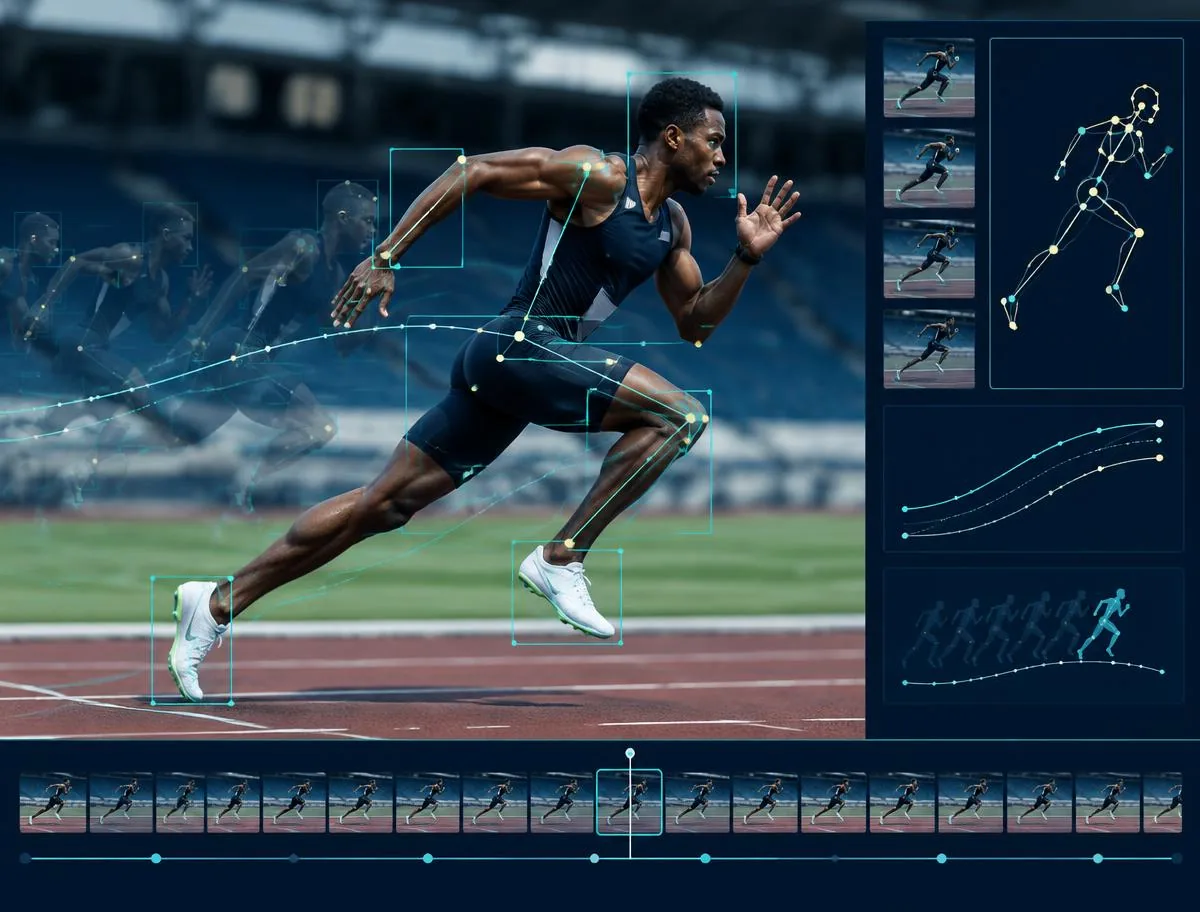 02 / Video Annotation
Keep objects and events consistent from frame to frame.
Explore Video Annotation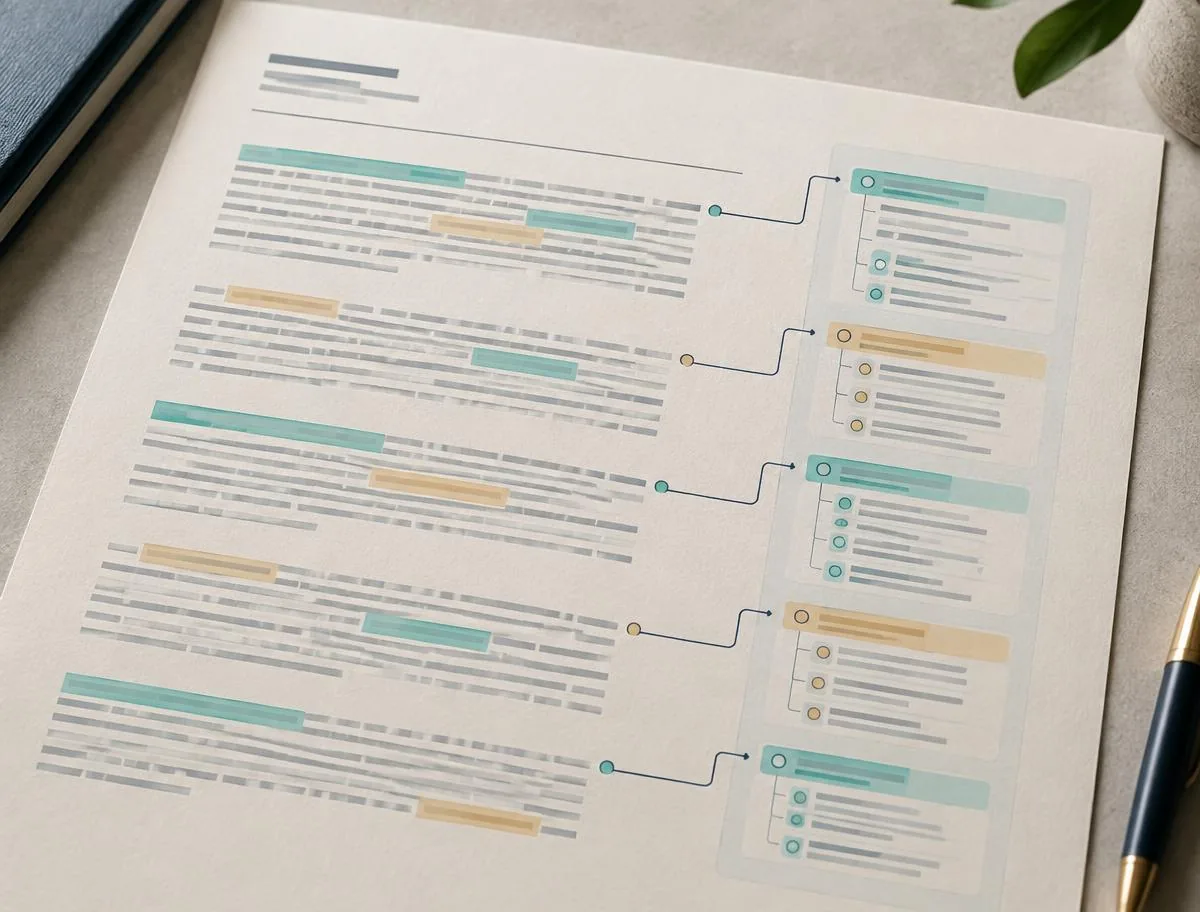 03 / Text Annotation
Give language data consistent meaning and structure.
Explore Text Annotation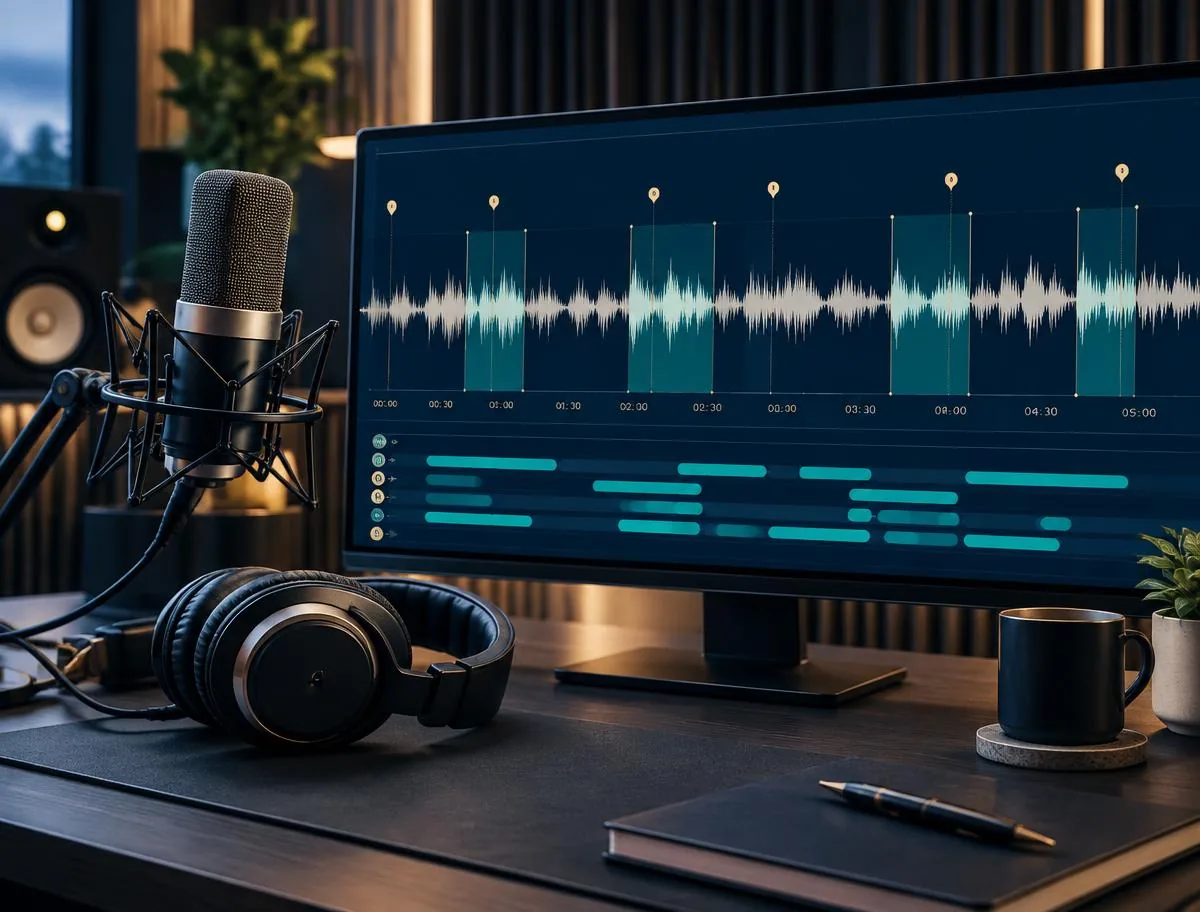 04 / Audio Annotation
Translate speech and sound into useful training signals.
Explore Audio AnnotationEvery important decision leaves something concrete for your team to review—from the first calibration sample to the final export.
A representative sample exposes unclear classes, edge cases, and conflicting instructions before production expands.
Resolved questions are added to the working guide so annotators and reviewers apply the same interpretation.
Exceptions, corrections, and feedback remain connected to the affected work instead of disappearing into side conversations.
Approved labels are checked against the agreed structure and packaged with the batch and version context your team needs.
Annotation operations
Four stages, from preparing inputs to versioned delivery. Select a stage to see what happens and what we check.
Files, metadata, existing labels, and project goals are checked before work enters a queue. Invalid or incomplete items are separated instead of silently passing downstream.
Output: Ready dataset
Industry context
Scroll through six industry-specific datasets and see how the annotation focus changes with the decision each model must make.
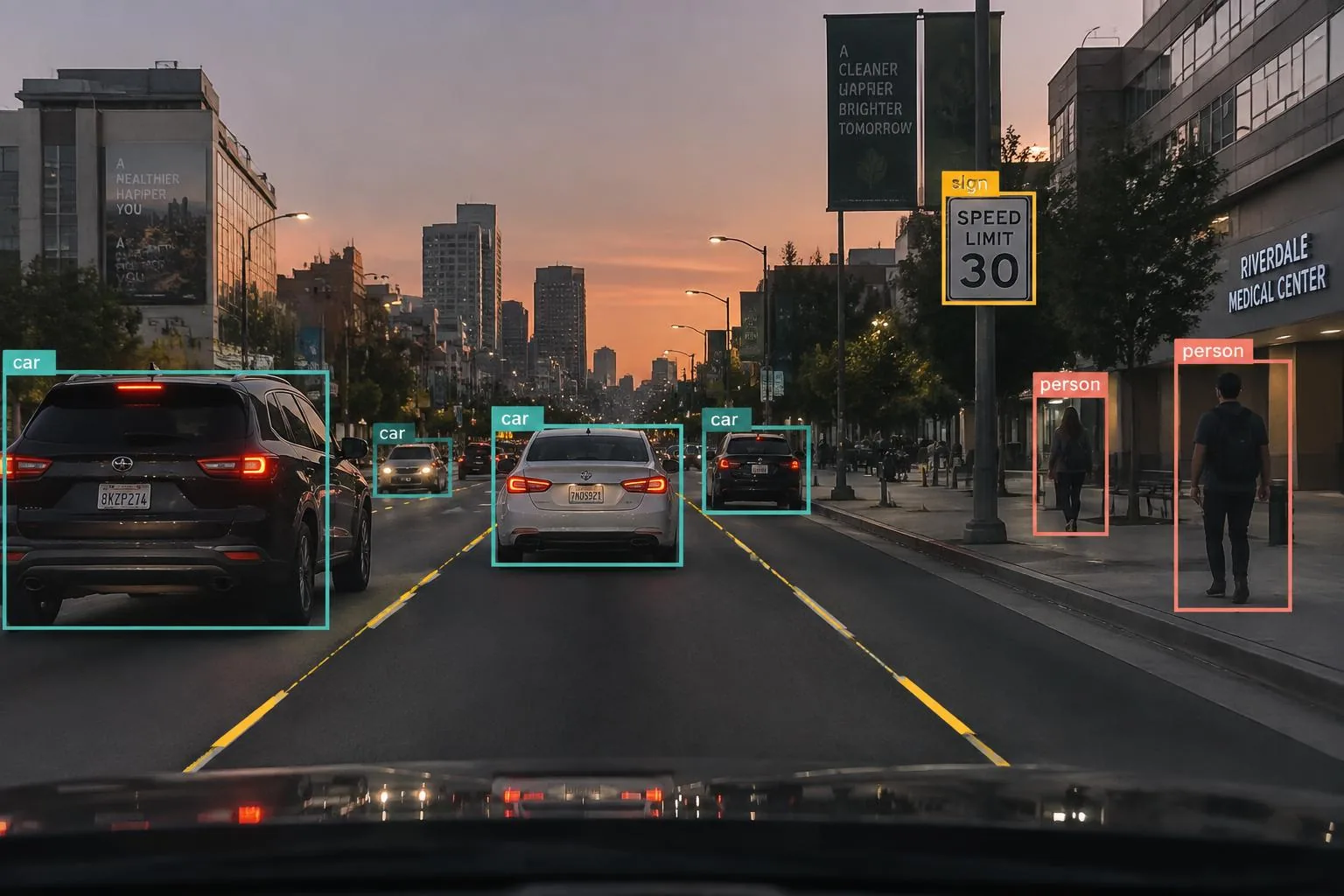 Annotated dataset · 01
Track road users, lanes, signs, and movement across complex scenes.
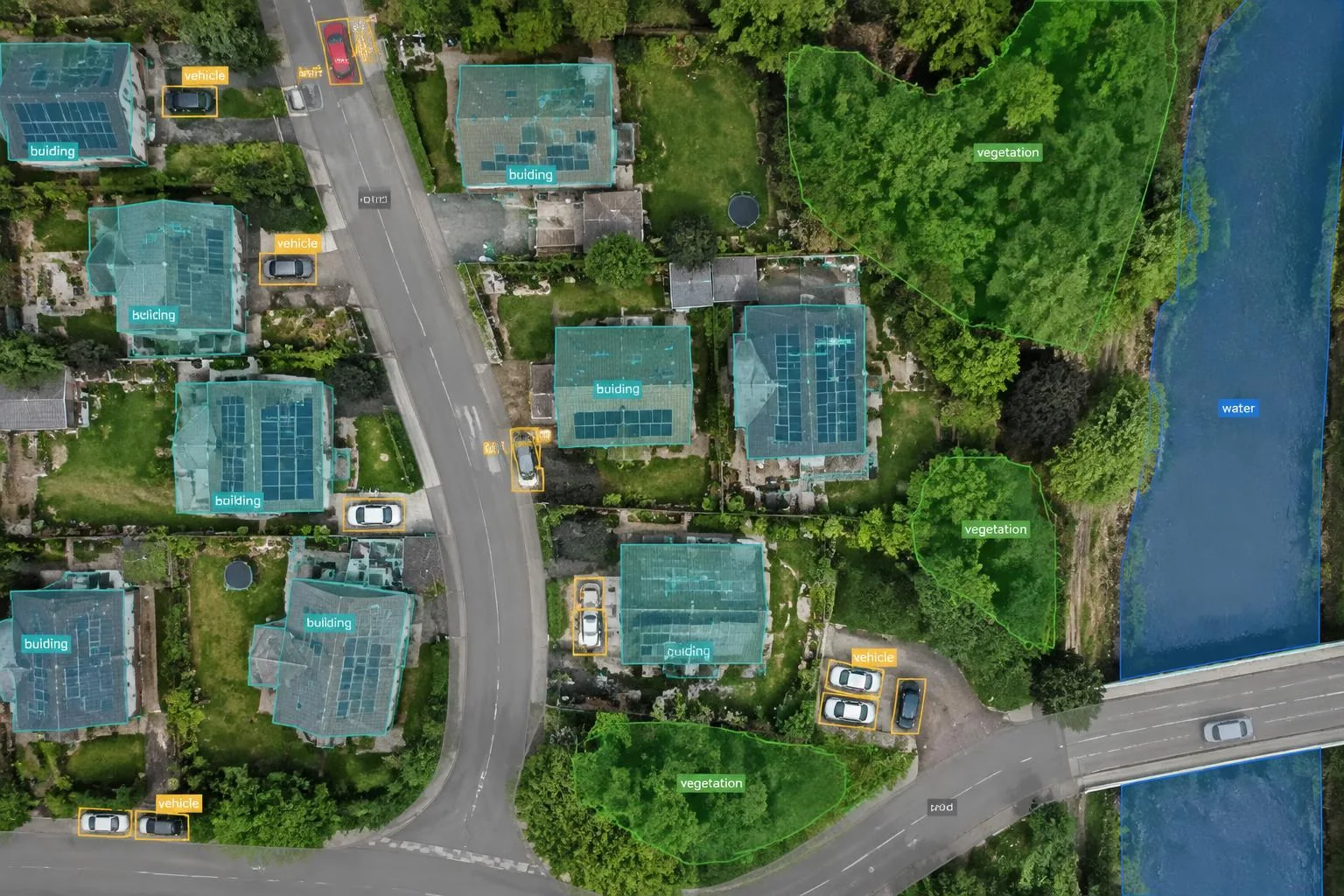 Annotated dataset · 02
Label terrain, assets, and change across overhead and drone footage.
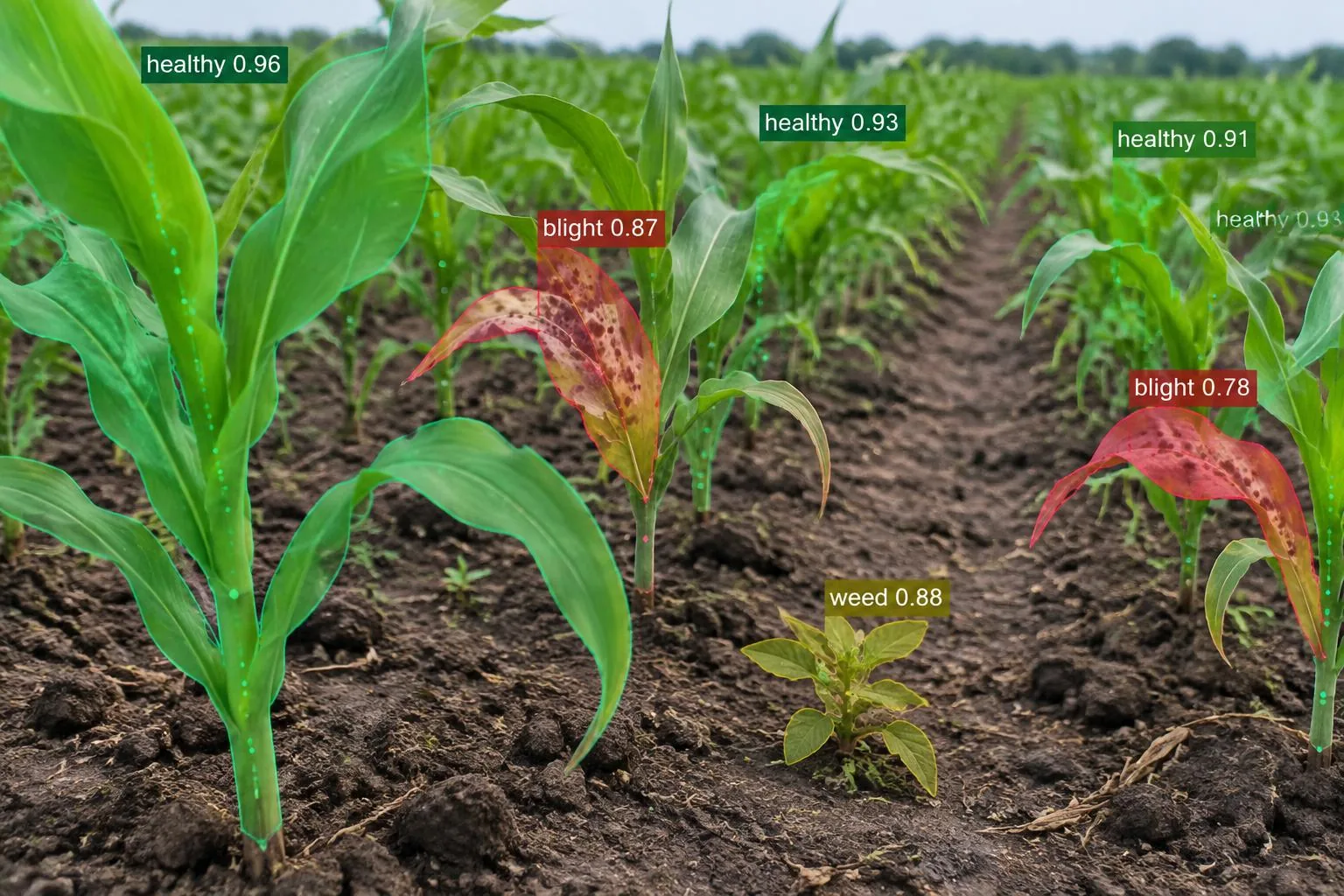 Annotated dataset · 03
Identify crops, conditions, growth stages, and field anomalies.
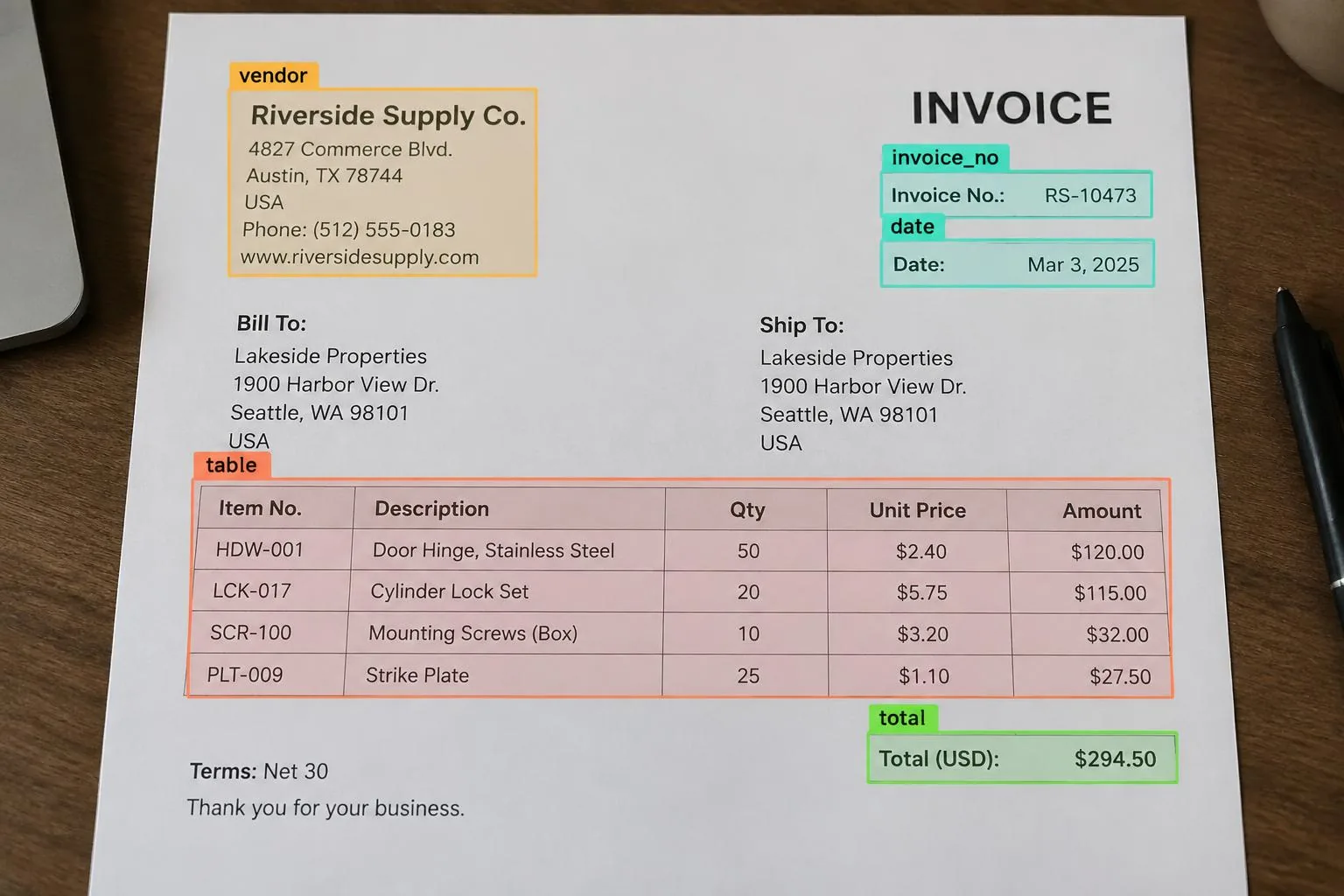 Annotated dataset · 04
Mark fields, tables, and reading order so a page becomes structured data.
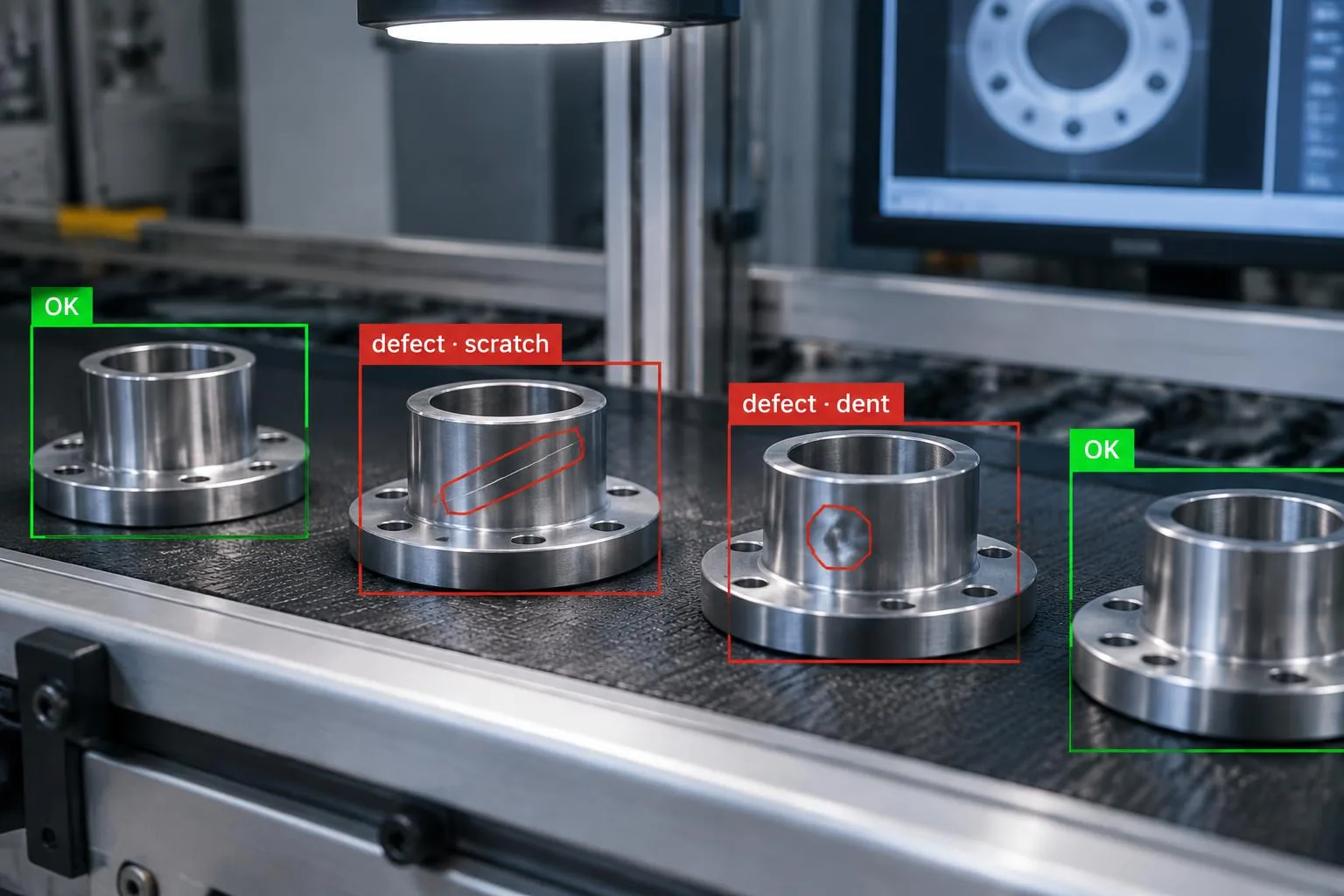 Annotated dataset · 05
Spot defects, verify assembly, and classify production events.
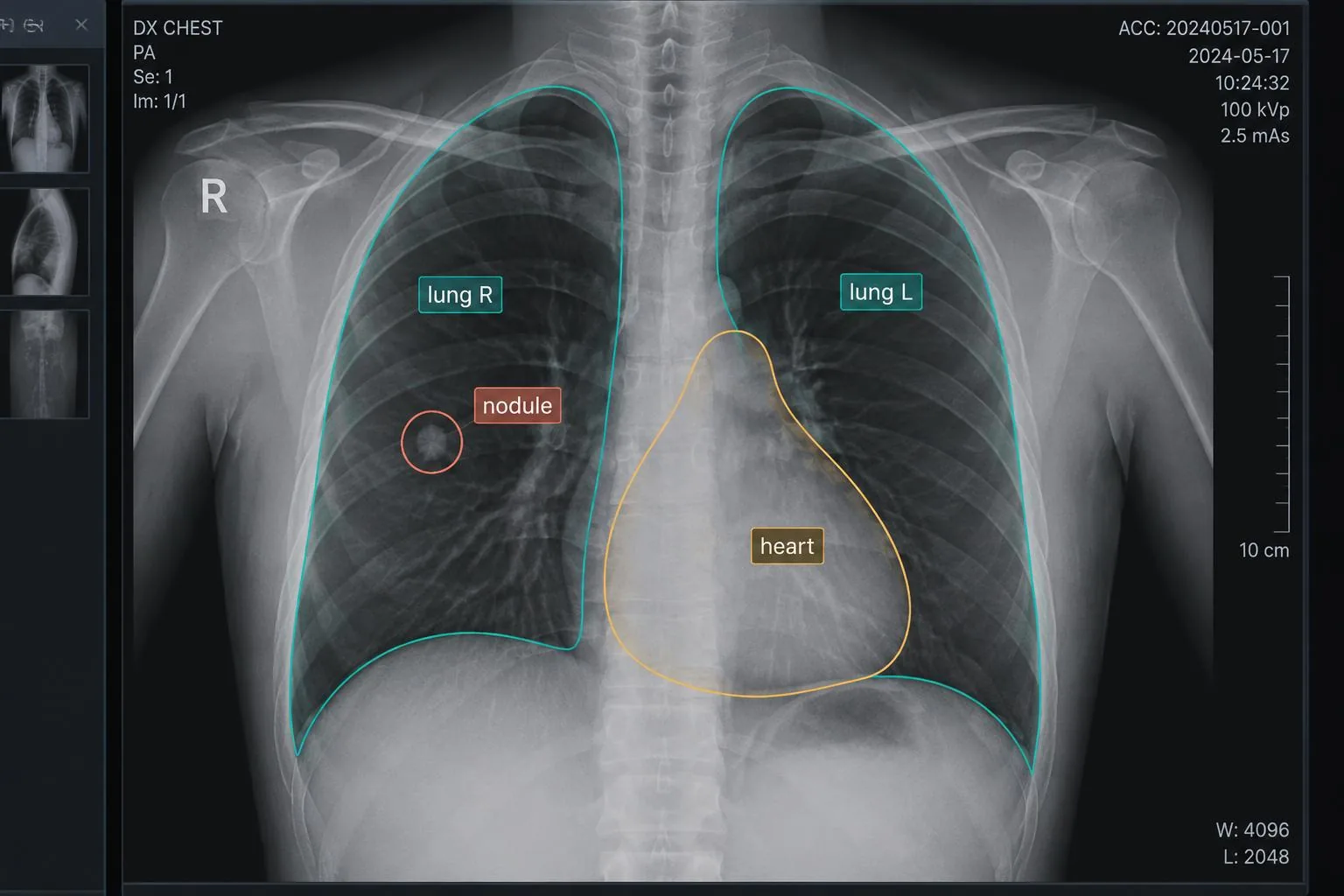 Annotated dataset · 06
Structure approved clinical imagery, documents, and domain language.
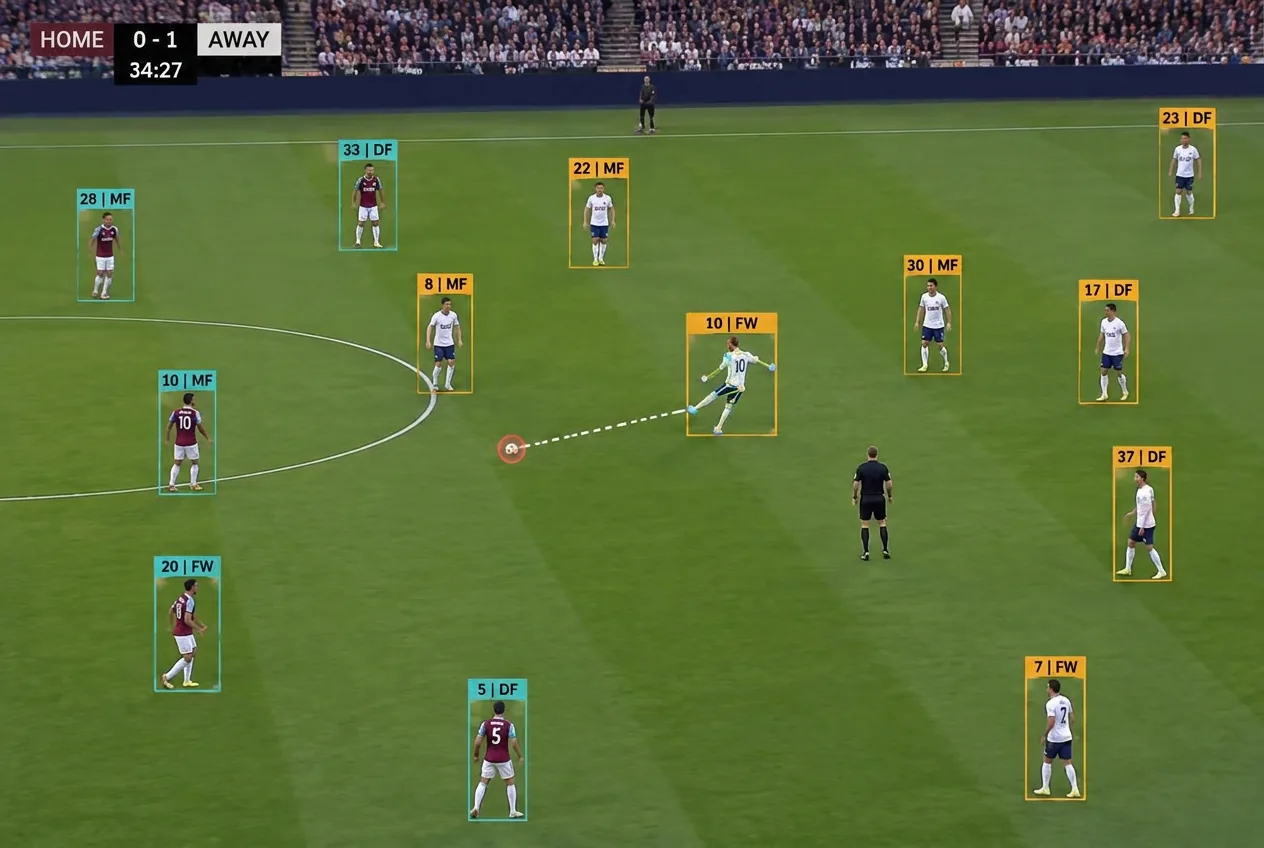 Annotated dataset · 07
Follow players, ball movement, actions, and match events.
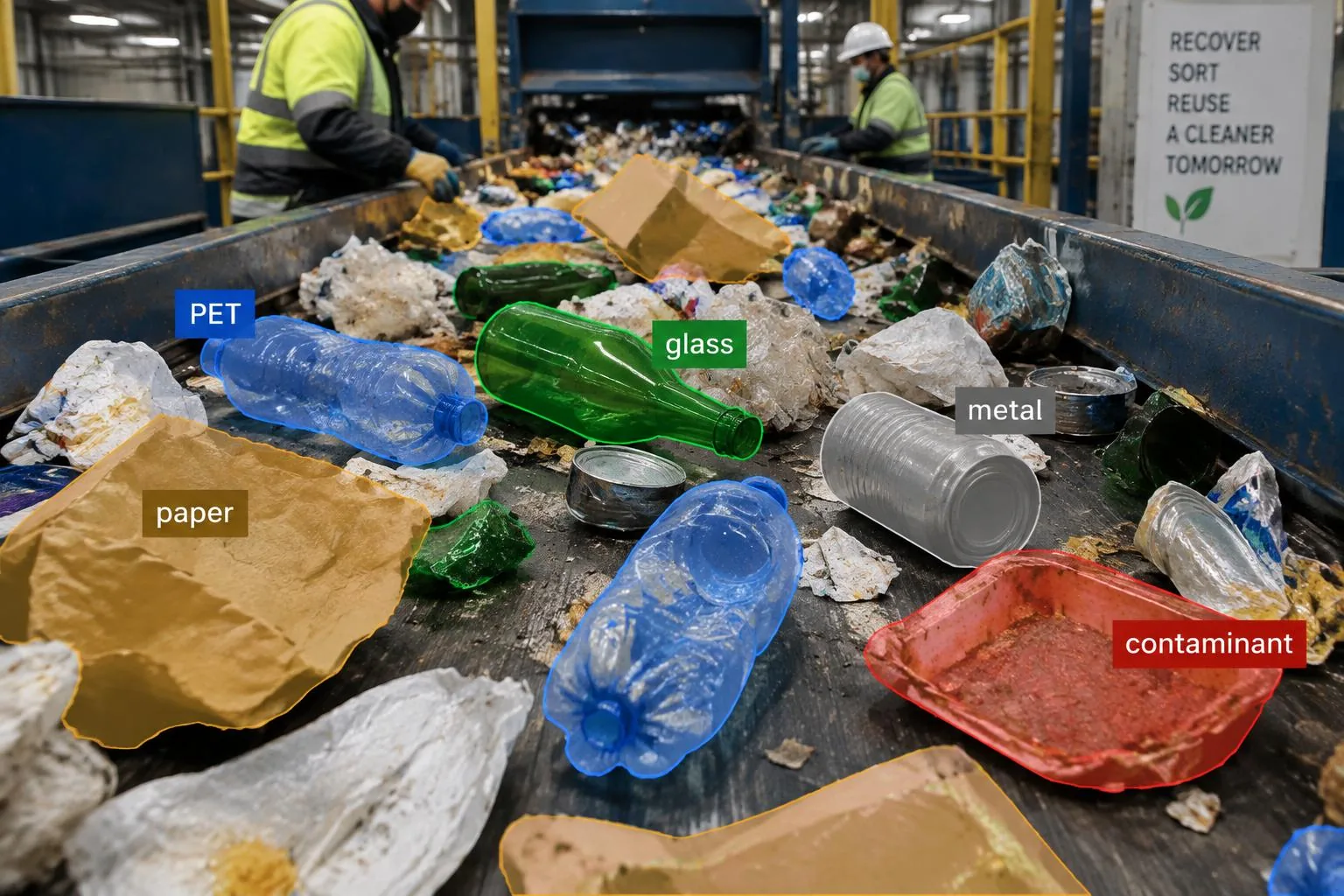 Annotated dataset · 08
Separate materials, bins, and contamination so sorting models can act on what they see.
 Annotated dataset · 09
Turn point clouds and 3D scans into spatial labels that preserve geometry, depth, and object boundaries.
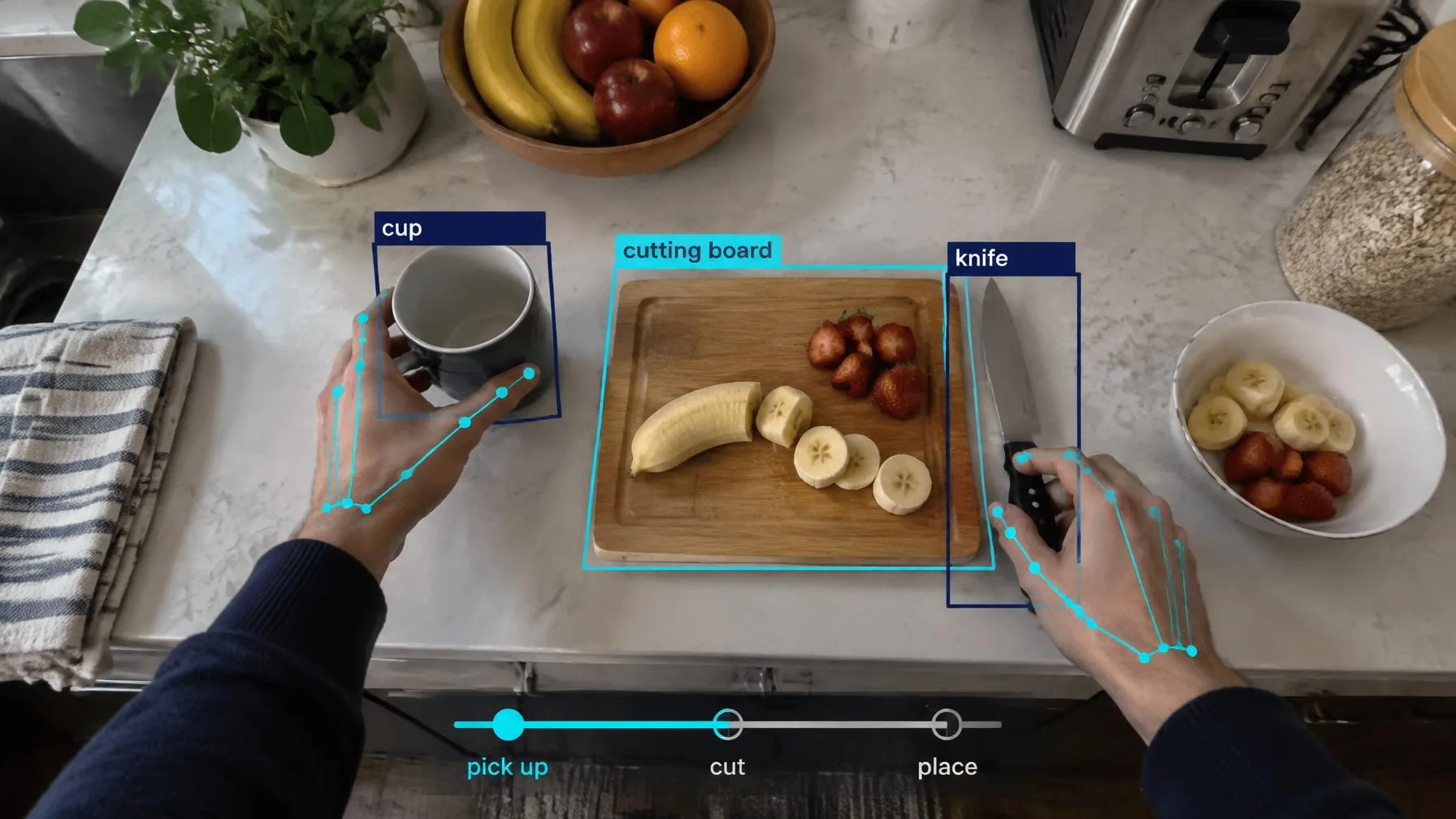 Annotated dataset · 10
Label first-person footage from head-mounted and wearable cameras so models understand hands, objects, and actions from the wearer's view.
We start with a pilot batch of your real data, so you can see the process and the labels before the work scales.
We settle how data is shared, who can access it, how questions are handled, and how completed work is delivered.
Once the pilot output meets your standard, the same reviewed process carries the full workload.
Egocentric video annotation for worker activity recognition and process optimization.
See how we tagged worker activity in factory videoTurning captured facial geometry into a processed, annotated 3D dataset.
See how we built the FacePoint AI facial landmark datasetTurning complex urban environments into structured data for autonomous perception and 3D mapping.
See how we built the CityScope AI urban perception datasetTell us what you're working on. Our team can help you identify the right approach, capabilities, and path to delivery.
Let's talkClient words
Every project below shipped. These are the reviews that came back with it — on coordination, consistency, and how the output held up on arrival.
“The final 3D scan output was detailed and well put together. Shreyash and Vinit were attentive to the requirements and easy to communicate with whenever a clarification was needed. Their team worked in a coordinated way, took feedback seriously, and stayed focused on quality throughout the project.”
“Working with Vinit and Shreyash on the CityScope AI urban perception dataset was a smooth experience. They understood the labeling requirements quickly and kept the annotations consistent across the dataset. I especially appreciated how well the team coordinated, resolved questions, and maintained a careful approach to the details.”
“One thing that stood out during the tag annotation project was the team's willingness to be thorough rather than rush through the frames. Team were cooperative, consistent, and receptive to corrections. Their organized workflow and shared commitment to dependable annotations made collaboration easy.”
Comparison
Stated VIPRO policies and quality targets, set beside general descriptions of other common annotation models.
| Criterion | VIPRO Managed Calibration Pods | Crowdsourced Platforms (MTurk/Generic) | Traditional Data-Entry BPOs |
|---|---|---|---|
| Mandatory pilot calibration before scale | YesA free calibration pilot on your data before any volume work. | Not typicalUsually not required. | Not typicalUsually not required. |
| Post-calibration precision | YesTargets 98.5% or higher inter-annotator agreement (a measured target). | VariesVaries by task and worker. | VariesVaries, often sampled spot checks. |
| Edge-case rubric iteration speed | YesRubric updates are versioned and re-calibrated with the pod quickly. | Not typicalSlow. Instructions are hard to push to a changing crowd. | Not typicalSlow. Change requests go through account management. |
| Annotator turnover | YesDedicated pods with a zero-turnover policy. | Not typicalAnonymous and rotating workers. | Not typicalHigh attrition is common. |
| Native tooling | YesWorks natively in CVAT, Roboflow, SuperAnnotate and Labelbox. | VariesGeneric task interfaces. | VariesSpreadsheets or proprietary tools. |
| Security | YesStrict NDA and role-based access. | Not typicalOpen worker pool, limited control. | VariesStandard office policies, varies. |
FAQ
Straight answers about pilots, security, quality, formats, and how changes are handled once production is running.
Start a conversation
Start with the data you have.